Enhancing Immersion and Interactivity through 360-Degree Content
360-degree videos have emerged as a cornerstone in the evolution of Virtual Reality (VR) experiences, offering unparalleled levels of immersion and interactivity. By capturing the entire environment around the camera, these videos allow users to explore and interact with virtual spaces in a manner that traditional media cannot match. This integration of 360-degree videos with VR technology not only enhances the sensory experience but also revolutionizes how content is consumed and interacted with, making it an essential component for creating compelling VR experiences.
The Mechanics of 360-Degree Video Integration
Spherical Filming Techniques
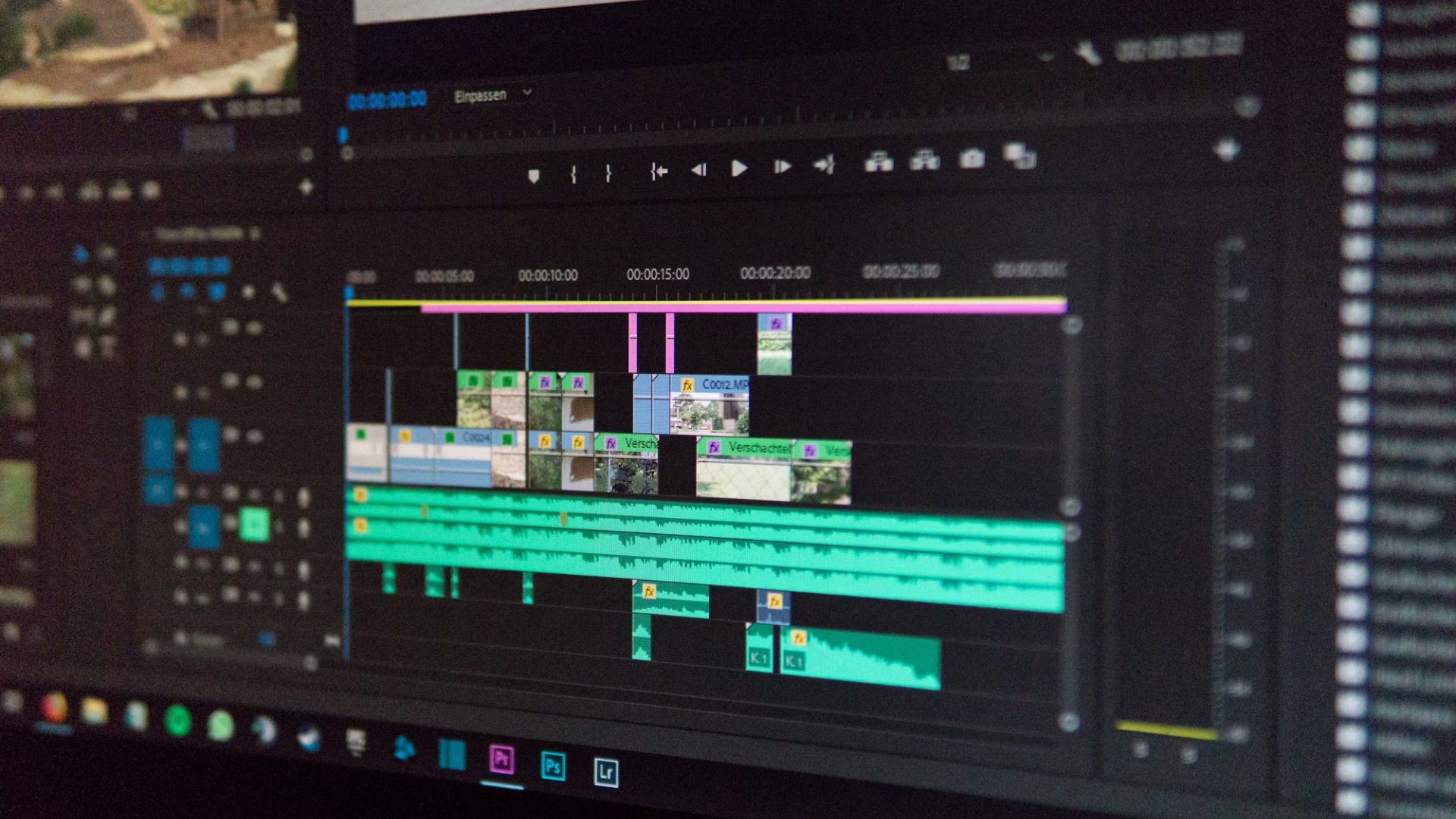
360-degree videos utilize spherical filming techniques that record in all directions simultaneously. Specialized cameras equipped with multiple lenses capture the entirety of the surroundings, stitching together footage to create a seamless, immersive panorama. This method allows users to look in any direction, providing a comprehensive view of the virtual environment. The technical precision involved in capturing and stitching these videos ensures that the immersive experience is smooth and free from noticeable seams or distortions, which is crucial for maintaining user engagement and preventing motion sickness.
Real-Time Rendering and Streaming
Integrating 360-degree videos with VR requires sophisticated real-time rendering and streaming capabilities. Advanced algorithms process the spherical video data, converting it into a format that can be displayed accurately within VR headsets. This involves mapping the video onto a virtual sphere surrounding the user, allowing for real-time interaction and navigation. High-bandwidth streaming technologies ensure that the video quality remains high without latency, providing a fluid and responsive experience that is essential for maintaining immersion and preventing disorientation during VR sessions.
Interactive Elements and User Engagement
Beyond passive viewing, 360-degree videos in VR can incorporate interactive elements that enhance user engagement. Interactive hotspots, embedded links, and dynamic storytelling techniques allow users to influence the narrative or explore specific areas of interest within the virtual environment. This interactivity transforms the user from a mere observer to an active participant, deepening the sense of presence and investment in the VR experience. For instance, educational VR applications can use interactive 360-degree videos to allow students to explore historical sites or scientific phenomena in an engaging and hands-on manner.
The Mechanics Of 360 Degree Video Integration
Immersive Storytelling and Narrative Depth
Expanding the Narrative Horizon
360-degree videos expand the narrative horizon by enabling storytellers to create multi-dimensional stories that unfold in all directions. Traditional linear storytelling is confined to a single perspective, whereas 360-degree narratives allow for multiple viewpoints and layers of interaction. This multidimensional approach enriches the storytelling experience, making it more engaging and emotionally impactful. Users can choose where to focus their attention, discovering hidden details and subplots that add depth to the overall narrative.
Emotional and Psychological Impact
The immersive nature of 360-degree videos amplifies the emotional and psychological impact of stories. By enveloping users in the environment, these videos create a profound sense of empathy and connection with the content. For example, VR documentaries using 360-degree footage can transport viewers directly into the heart of environmental crises or humanitarian efforts, fostering a deeper understanding and emotional response. This heightened emotional engagement is instrumental in driving awareness, advocacy, and behavioral change among users.
Enhanced Learning and Retention
In educational contexts, 360-degree videos enhance learning and retention by providing experiential learning opportunities. Students can virtually visit historical landmarks, explore biological ecosystems, or witness scientific experiments firsthand. This active engagement with the material facilitates better comprehension and memory retention compared to traditional learning methods. The ability to manipulate and explore the virtual environment also caters to various learning styles, making education more inclusive and effective.

Immersive Storytelling And Narrative Depth
Applications Across Diverse Industries
Real Estate and Architecture
In the real estate and architecture industries, 360-degree videos offer a transformative way to showcase properties and designs. Potential buyers can take virtual tours of properties from anywhere in the world, experiencing the space as if they were physically present. Architects can present their designs in a fully immersive format, allowing clients to explore buildings and structures in three dimensions before construction begins. This not only enhances the client experience but also improves communication and collaboration between designers and stakeholders.
Healthcare and Medical Training
360-degree videos play a pivotal role in healthcare and medical training, providing realistic simulations for medical professionals. Surgeons can practice complex procedures in a virtual environment, gaining valuable hands-on experience without the risks associated with real-life operations. Medical students can explore the human anatomy in intricate detail, enhancing their understanding of bodily systems and functions. These immersive training tools improve the proficiency and confidence of healthcare providers, ultimately contributing to better patient outcomes.
Tourism and Travel
The tourism and travel industries leverage 360-degree videos to offer virtual travel experiences, enticing potential tourists to visit destinations by providing a taste of what they can expect. Virtual tours of landmarks, museums, and natural wonders allow users to explore destinations from the comfort of their homes, sparking interest and excitement. Additionally, VR experiences can enhance physical travel by providing pre-visit orientations or interactive guides that enrich the actual travel experience.
Entertainment and Gaming
In the realm of entertainment and gaming, 360-degree videos enhance the immersive quality of content, offering users a more engaging and interactive experience. VR films and interactive games utilize 360-degree footage to create dynamic environments where users can explore and interact with the story or game world in unprecedented ways. This level of immersion heightens the overall entertainment value, making VR content more captivating and memorable.
Technical Advancements Driving 360-Degree VR Integration
High-Resolution Imaging and Low-Latency Processing
Advancements in high-resolution imaging and low-latency processing are critical for the seamless integration of 360-degree videos with VR. High-resolution cameras capture detailed and lifelike footage, enhancing the realism of the virtual environment. Low-latency processing ensures that the video stream remains smooth and responsive, minimizing delays that can disrupt the immersive experience. These technical improvements are essential for delivering high-quality VR experiences that meet the expectations of users and maintain their engagement.
Artificial Intelligence and Machine Learning
Artificial Intelligence (AI) and Machine Learning (ML) technologies are increasingly being integrated into 360-degree VR applications to enhance functionality and user experience. AI algorithms can optimize video stitching, improve image quality, and enable real-time object recognition and interaction within the virtual environment. ML techniques can analyze user behavior and preferences, personalizing the VR experience to better meet individual needs and enhancing overall satisfaction. These intelligent systems contribute to the evolution of more sophisticated and adaptive VR experiences.
Cloud Computing and Edge Processing
Cloud computing and edge processing are pivotal in managing the vast amounts of data generated by 360-degree videos in VR. Cloud infrastructure provides the necessary storage and computational power to handle high-resolution video streams, while edge processing reduces latency by processing data closer to the user. This combination ensures that VR experiences are both high-quality and responsive, enabling users to interact with 360-degree content in real time without compromising on performance or immersion.
Overcoming Challenges in 360-Degree VR Integration
Technical Limitations and Solutions
Despite its potential, the integration of 360-degree videos with VR faces several technical limitations, including high bandwidth requirements, data storage challenges, and the need for powerful hardware. Addressing these challenges requires ongoing advancements in compression algorithms, data management techniques, and hardware development. Innovations such as more efficient video codecs and scalable storage solutions are essential for making 360-degree VR experiences more accessible and sustainable.
User Experience and Accessibility
Ensuring a positive user experience and broad accessibility is another challenge in 360-degree VR integration. Factors such as user comfort, ease of navigation, and accessibility for individuals with disabilities must be considered. Designing intuitive interfaces, providing adjustable settings for comfort, and incorporating accessibility features are crucial for making VR experiences inclusive and enjoyable for all users. Additionally, educating users on best practices for VR usage can help mitigate issues related to motion sickness and eye strain, enhancing the overall experience.
Cost and Scalability
The cost of producing high-quality 360-degree videos and implementing VR solutions can be prohibitive for some businesses and organizations. However, as technology continues to advance and become more widespread, costs are gradually decreasing, making VR integration more feasible. Scalability is also a concern, as businesses need solutions that can grow with their needs without incurring excessive costs. Cloud-based VR platforms and modular VR systems offer scalable options that can accommodate varying levels of demand, ensuring that businesses can adopt VR without facing significant financial barriers.
Frequently Asked Questions
What are the key differences between 360-degree videos and traditional videos in VR?
360-degree videos offer a fully immersive experience by capturing and displaying content in all directions, allowing users to look around freely within the virtual environment. Traditional videos in VR are typically monocular, providing a fixed viewpoint that limits user interaction. The key difference lies in the level of immersion and interactivity, with 360-degree videos enabling a more engaging and exploratory experience compared to the static nature of traditional videos.
How can businesses leverage 360-degree videos for marketing and customer engagement?
Businesses can utilize 360-degree videos to create immersive marketing campaigns, virtual product demonstrations, and interactive advertisements that engage customers in a unique and memorable way. By providing a virtual experience that allows customers to explore products or services from multiple angles, businesses can enhance their marketing efforts, increase brand awareness, and drive customer engagement. Additionally, 360-degree videos can be used for virtual tours, showcasing facilities, real estate properties, or event venues, providing potential clients with a comprehensive view that traditional media cannot offer.
Are there any accessibility considerations for creating 360-degree videos in VR?
Yes, accessibility is an important consideration when creating 360-degree videos in VR. Ensuring that content is accessible to individuals with disabilities involves incorporating features such as descriptive audio, subtitles, and adjustable settings for visual and auditory preferences. Additionally, designing intuitive navigation and user interfaces helps make VR experiences more inclusive. By prioritizing accessibility, creators can ensure that their 360-degree VR content is usable and enjoyable for a wider audience, fostering inclusivity and equal access to immersive experiences.
What are the best practices for creating high-quality 360-degree videos for VR?
Creating high-quality 360-degree videos for VR involves several best practices, including using high-resolution cameras to capture detailed footage, ensuring proper stitching and editing to eliminate seams and distortions, and optimizing lighting and audio for an immersive experience. Additionally, incorporating interactive elements and planning the narrative to take advantage of the 360-degree format can enhance the overall quality and engagement of the video. Following these best practices ensures that the final product is visually stunning, seamless, and fully immersive, providing users with a compelling VR experience.
How do 360-degree videos enhance user engagement compared to traditional video formats?
360-degree videos enhance user engagement by providing an interactive and immersive experience that allows users to explore the virtual environment at their own pace and from their own perspective. This level of interactivity fosters a deeper connection with the content, making it more engaging and memorable compared to traditional, linear video formats. Users feel more involved and invested in the experience, which can lead to increased retention, emotional impact, and overall satisfaction.
GeraldFerreira
Founder and Immersive Technology Specialist at VR360. Pioneering custom Virtual Reality software, 360° video filming, Matterport 3D digital twins, and immersive enterprise solutions across South Africa since 1998.