The Future of Virtual Reality Activations for South African Brands
Engaging Consumers Through Immersive Experiences
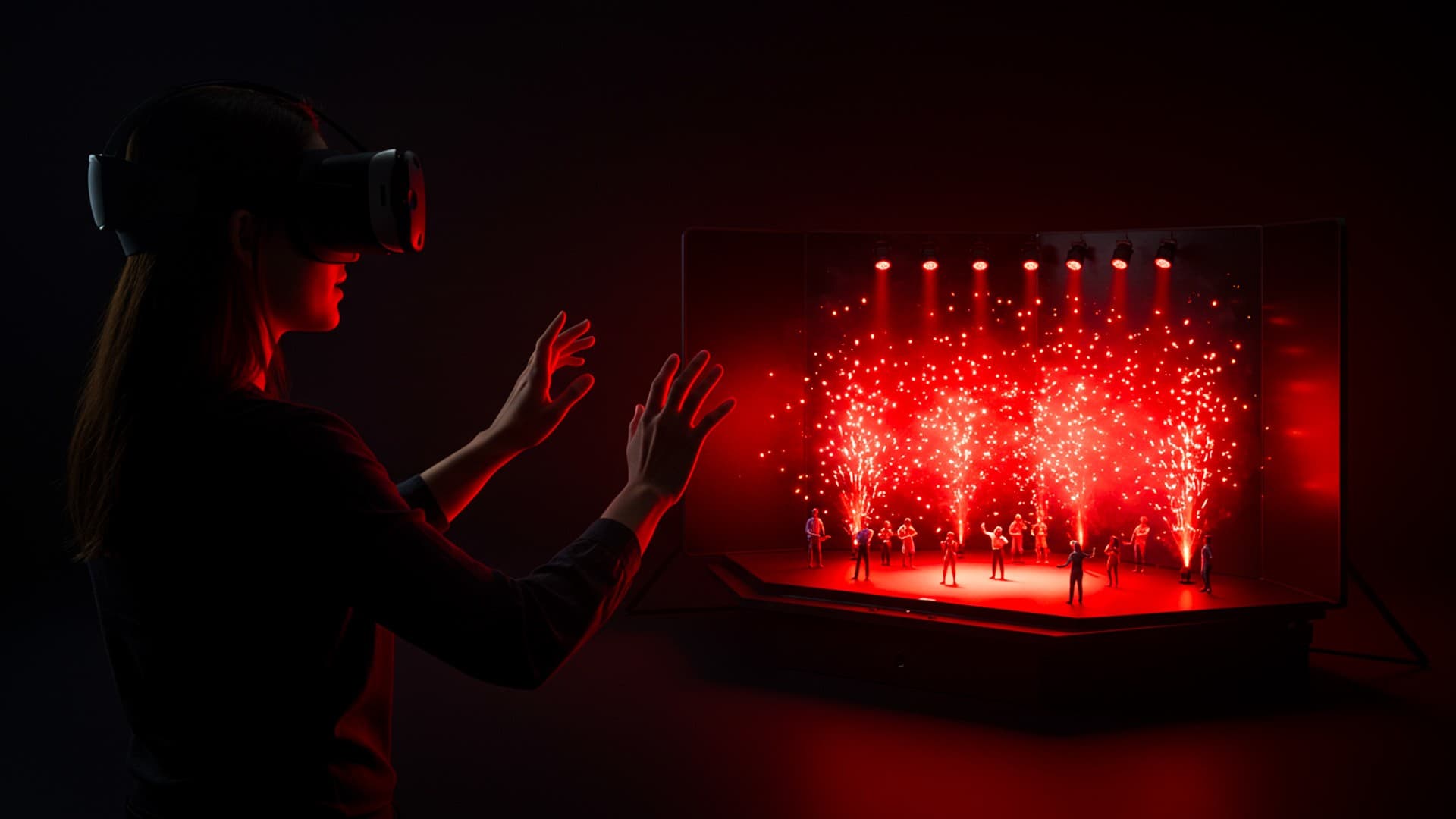
Virtual Reality (VR) is revolutionizing the landscape of consumer engagement, offering South African brands unprecedented opportunities to create immersive and interactive experiences. By transcending traditional marketing boundaries, VR enables brands to forge deeper connections with their audience, fostering a sense of presence and engagement that static media cannot achieve. This technological advancement allows consumers to explore products and services in a simulated environment, enhancing their understanding and appreciation of the brand’s offerings. As VR technology becomes more accessible and sophisticated, South African brands are poised to leverage its potential to captivate and retain their target markets in innovative and memorable ways.
The Growing Popularity of VR in South African Marketing
Market Trends Driving VR Adoption
South Africa is witnessing a significant uptick in VR adoption within the marketing sector, driven by several key trends. The proliferation of affordable VR hardware and the increasing sophistication of VR software have made immersive marketing more attainable for businesses of all sizes. Additionally, the rising demand for interactive and engaging consumer experiences is pushing brands to explore VR as a viable marketing tool. Statistics indicate a robust growth trajectory for VR in South Africa’s marketing landscape, with a notable increase in investment from both established companies and startups. Factors such as enhanced consumer expectations, the quest for differentiation in competitive markets, and the desire to provide unique value propositions are compelling brands to integrate VR into their marketing strategies.
Benefits of Immersive Marketing
Immersive marketing through VR offers a plethora of benefits that extend beyond conventional advertising methods. Enhanced consumer engagement and interaction are at the forefront, as VR provides a hands-on experience that captivates the audience’s attention and encourages active participation. This level of engagement significantly boosts brand recall and loyalty, as consumers are more likely to remember and develop a preference for brands that offer interactive experiences. Moreover, VR facilitates personalized marketing opportunities, allowing brands to tailor experiences to individual preferences and behaviors. This customization not only improves the relevance of marketing messages but also fosters a stronger emotional connection between the consumer and the brand, driving long-term loyalty and advocacy.
Case Studies of Successful VR Campaigns
Several South African brands have successfully harnessed VR to elevate their marketing campaigns, showcasing the technology’s potential to transform brand interactions. For instance, a leading automotive company utilized VR to offer virtual test drives, allowing customers to experience different car models and features in a simulated environment. This initiative not only enhanced the customer experience but also streamlined the decision-making process. Similarly, a prominent real estate firm employed VR to create virtual tours of properties, enabling potential buyers to explore homes and commercial spaces remotely. These campaigns demonstrated how VR can effectively engage consumers, provide valuable insights, and drive conversions. The success of these initiatives highlights the strategic advantages of incorporating VR into marketing efforts and provides valuable lessons for other brands seeking to adopt similar approaches.
The Growing Popularity Of Vr In South African Marketing
Innovative VR Activation Strategies Employed by South African Brands
Virtual Product Demonstrations
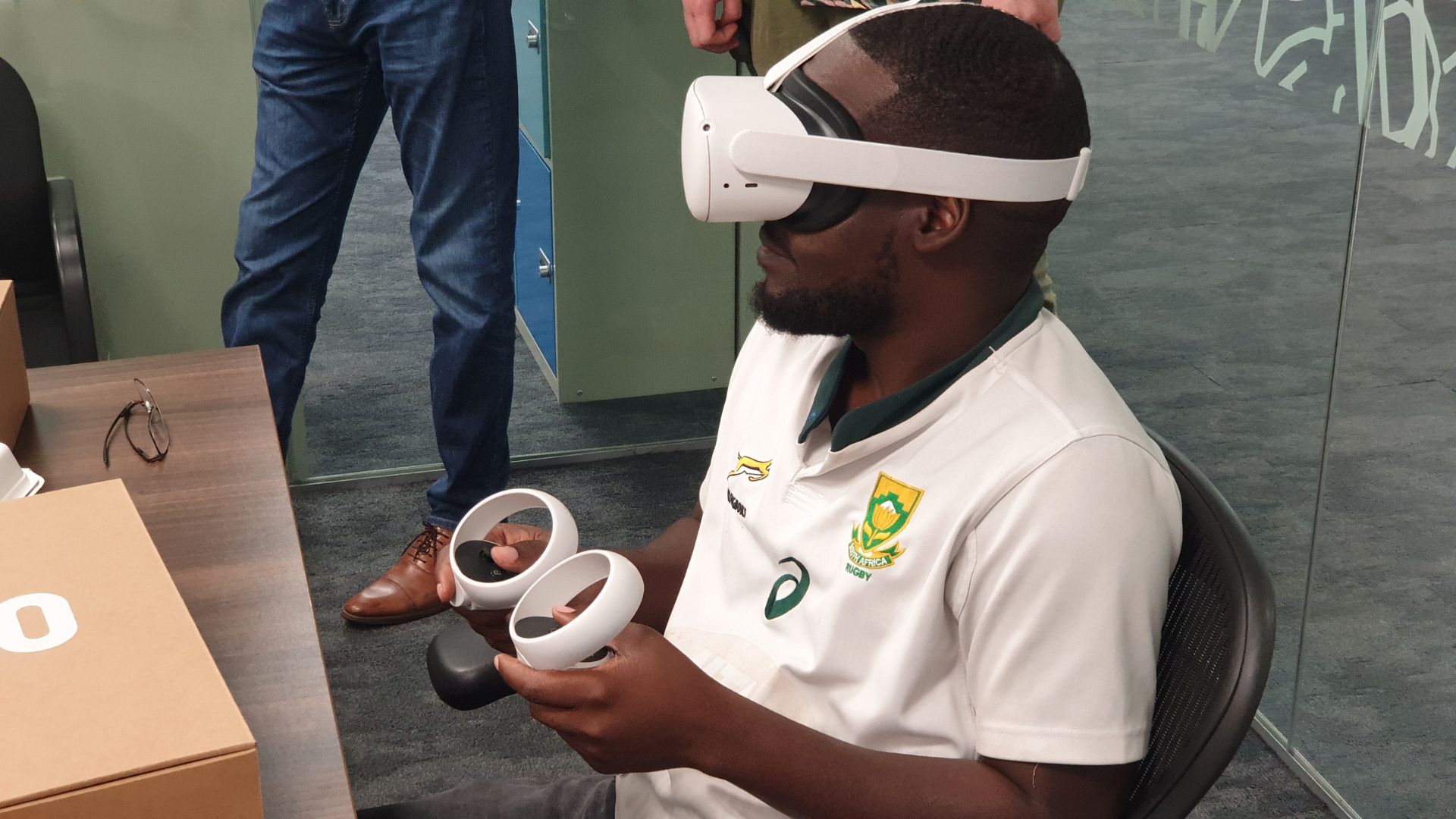
Virtual product demonstrations have emerged as a powerful strategy for South African brands to showcase their offerings in a compelling and interactive manner. By creating virtual environments, brands can present their products in realistic settings, allowing consumers to explore features and functionalities in detail. This approach offers significant advantages over traditional demonstration methods, such as increased flexibility and the ability to simulate various scenarios that might be impractical in a physical setting. In the automotive sector, for example, VR enables potential buyers to experience different driving conditions and configurations without the need for multiple physical prototypes. Similarly, real estate companies can offer virtual walkthroughs of properties, providing a comprehensive view that enhances the decision-making process for buyers.
Interactive VR Booths at Events
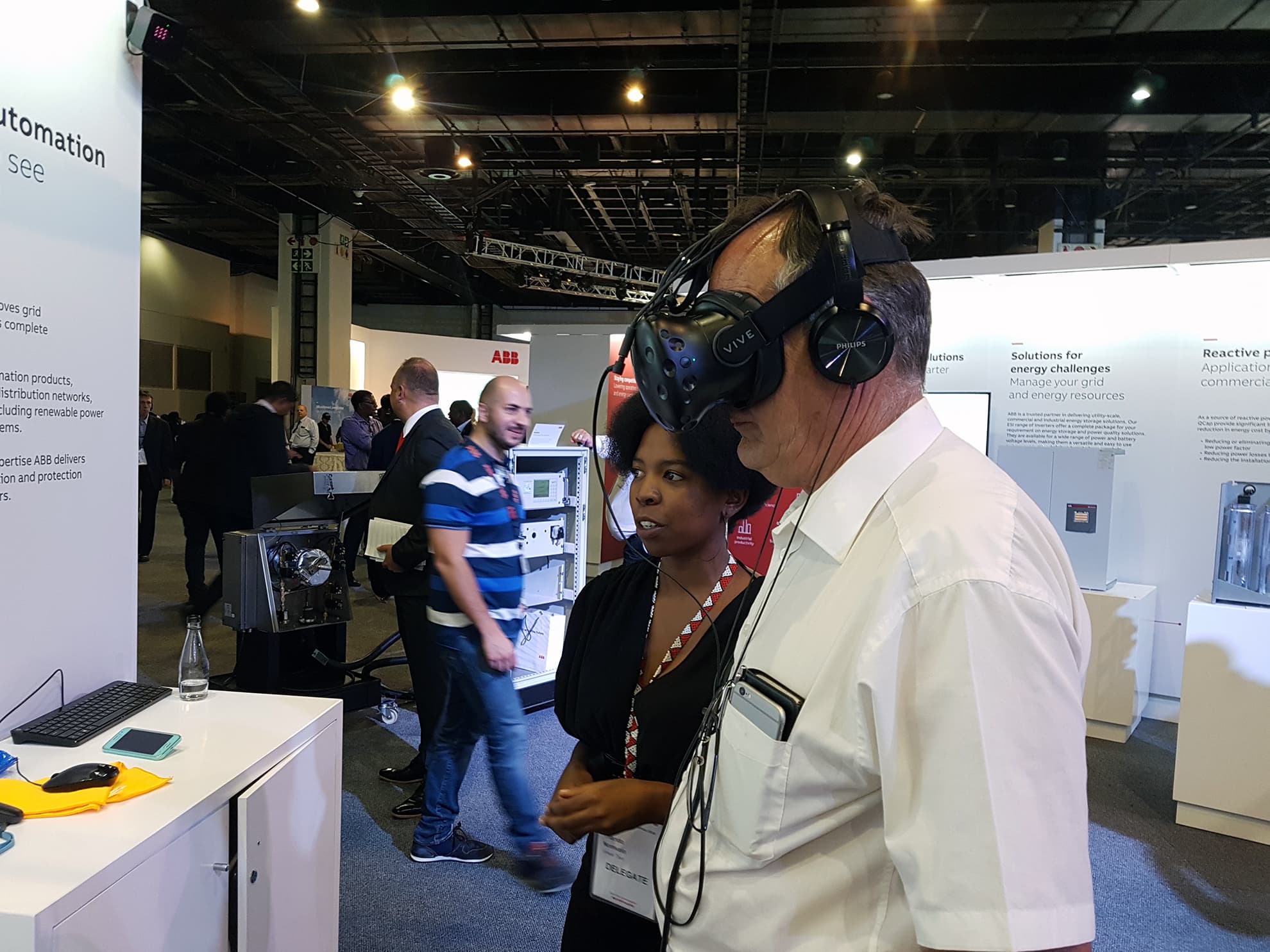
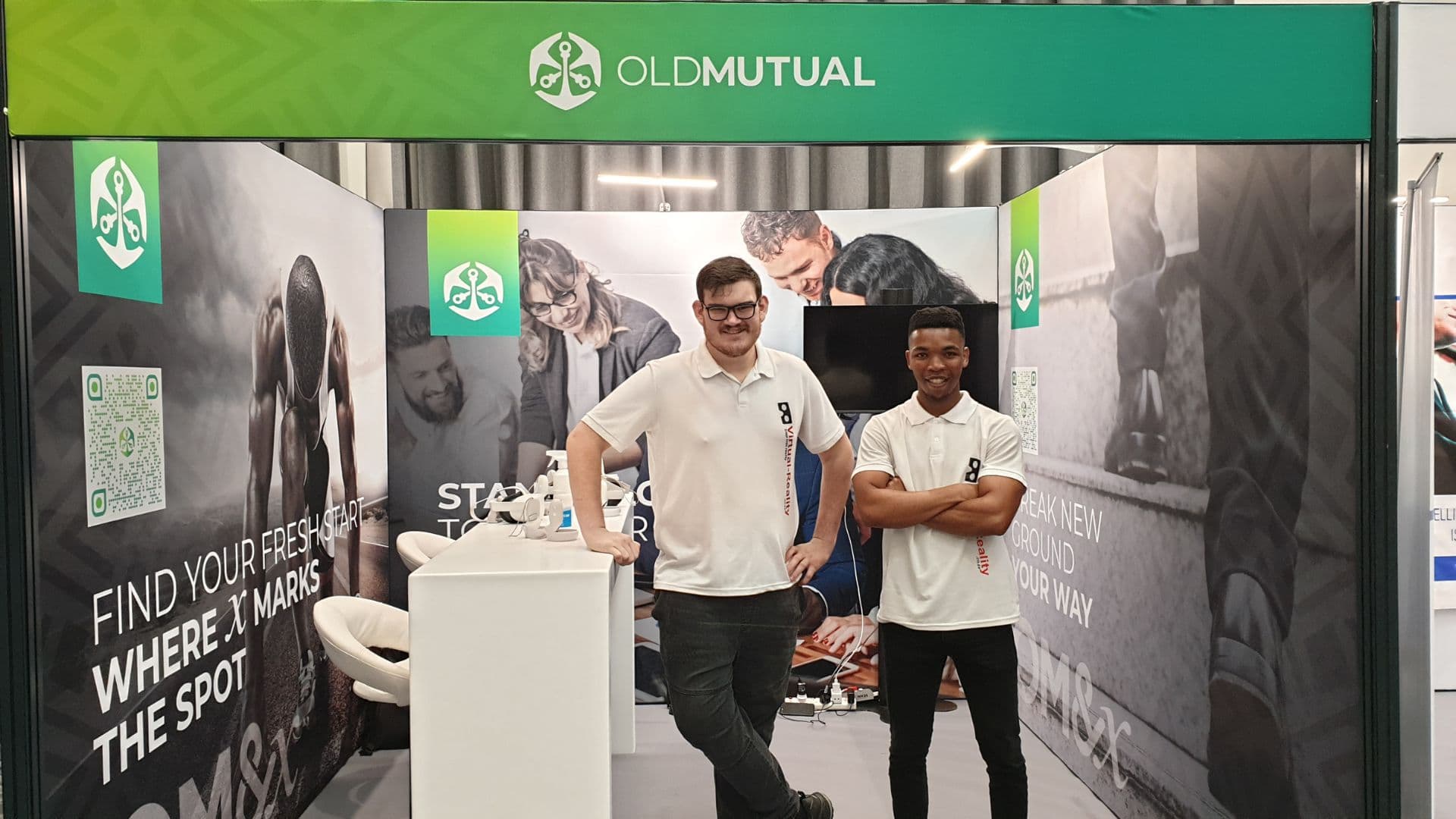
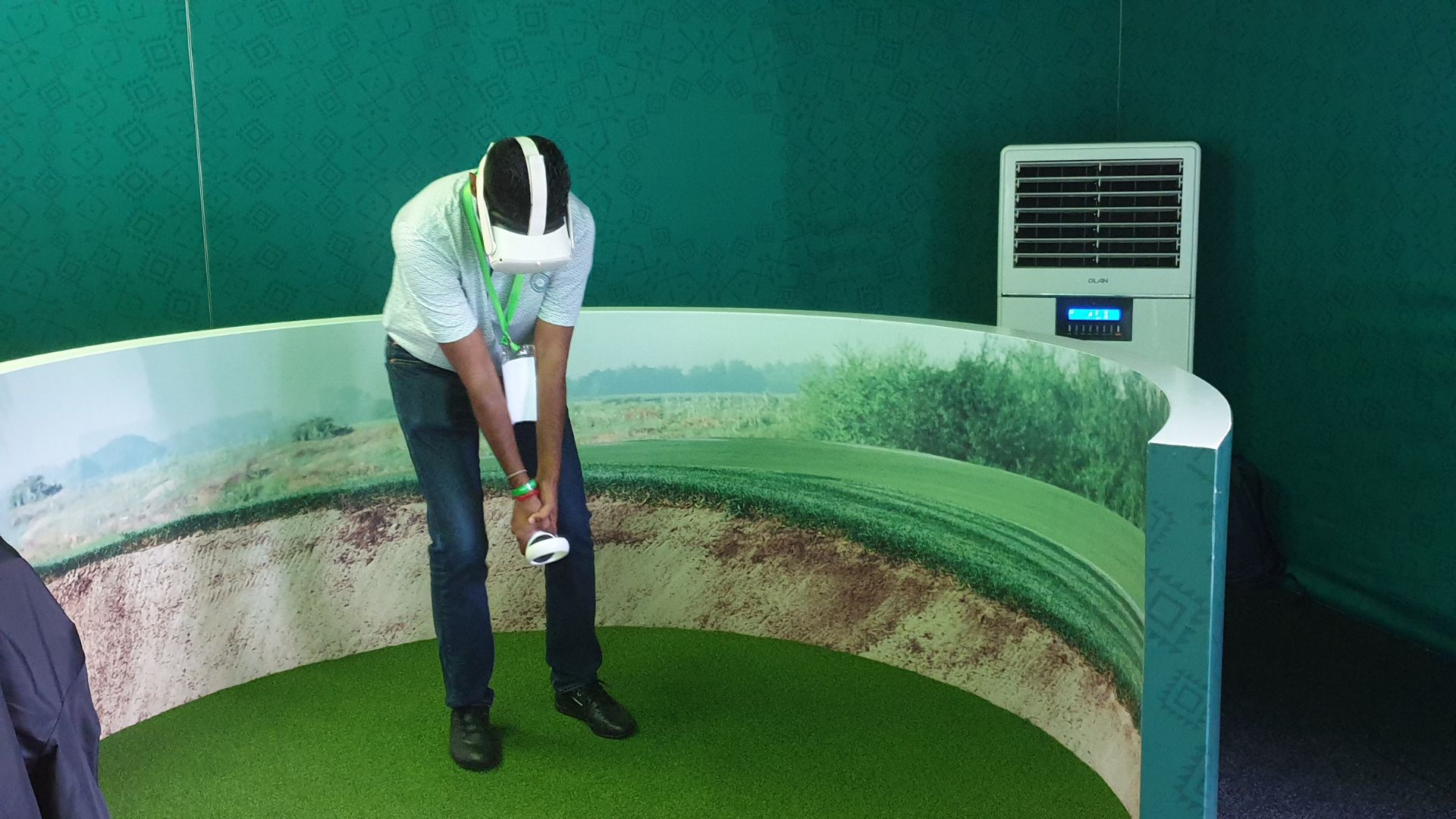
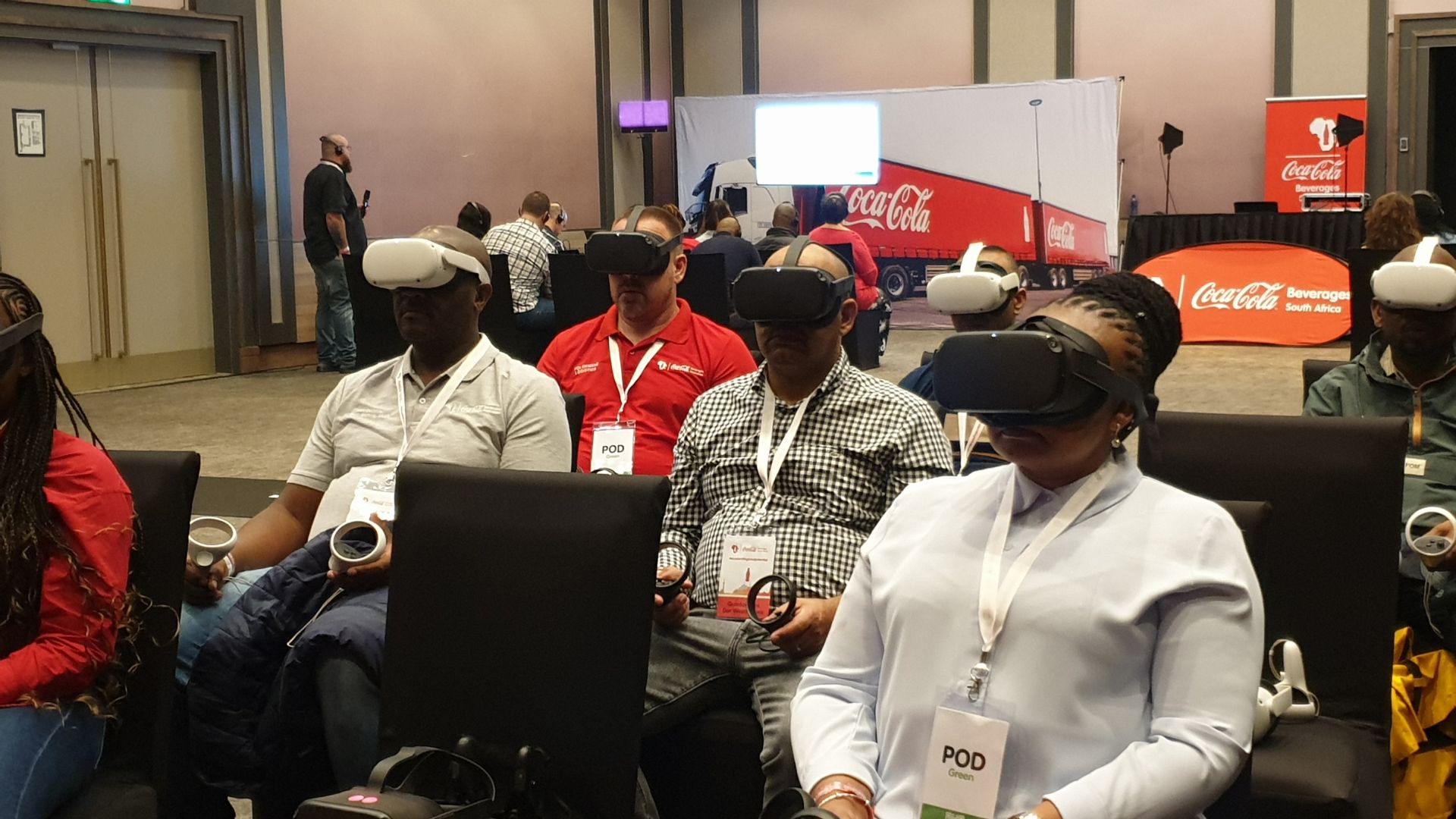
Interactive VR booths have become a staple at trade shows and expos, offering attendees an engaging and memorable experience. South African brands are increasingly integrating VR booths into their event strategies to attract and retain visitor interest. These booths provide a dynamic platform for brands to present their stories, products, and services in an immersive format. Attendees can interact with virtual environments, participate in simulations, and experience the brand’s offerings firsthand. Major events such as the Rand Show have seen brands leveraging VR to differentiate themselves from competitors, creating unique touchpoints that resonate with the audience. The success of these VR booths lies in their ability to transform passive observers into active participants, fostering a deeper connection with the brand.
Virtual Tourism Experiences
The tourism industry in South Africa is capitalizing on VR to promote its diverse and picturesque destinations. Virtual tourism experiences allow potential visitors to explore iconic landmarks and attractions from the comfort of their homes, sparking interest and excitement about traveling to South Africa. By offering virtual tours of places like Table Mountain, Kruger National Park, and the Garden Route, tourism boards can provide an immersive preview that highlights the country’s natural beauty and cultural richness. These VR experiences not only enhance marketing efforts by providing a tangible sense of what visitors can expect but also broaden the reach of tourism campaigns. Collaborations between tourism boards and VR companies have been instrumental in creating high-quality virtual tours that effectively showcase South Africa’s unique offerings.
Innovative Vr Activation Strategies Employed By South African Brands
Overcoming Challenges in Implementing VR Activations
Managing the Costs of VR Technology
Implementing VR activations involves navigating various cost-related challenges, which can be a barrier for many South African brands. The expenses associated with VR technology, including hardware, software development, and content creation, can be substantial. However, strategic budgeting and cost management can mitigate these financial constraints. Brands can prioritize investments based on the potential return on investment (ROI) and explore cost-effective VR solutions such as using existing hardware or partnering with VR content creators to share resources. Additionally, smaller businesses can leverage scalable VR platforms that offer modular features, allowing them to gradually expand their VR capabilities without incurring excessive upfront costs. By adopting a thoughtful approach to budgeting, brands can effectively manage the financial aspects of VR activations.
Addressing Infrastructure and Connectivity Issues
Infrastructure and connectivity pose significant challenges to the seamless implementation of VR activations in South Africa. High-speed internet is essential for delivering smooth and uninterrupted VR experiences, yet varying levels of connectivity across regions can hinder this requirement. Additionally, ensuring compatibility between VR hardware and existing systems is crucial for maintaining the integrity of the VR experience. To address these issues, brands can invest in optimizing their VR setups to function efficiently even with limited bandwidth, such as using compression technologies or preloading content. The advent of emerging technologies like 5G holds promise for enhancing VR accessibility by providing faster and more reliable internet connections, thereby facilitating more immersive and high-quality VR activations.
Ensuring Accessibility and User Experience
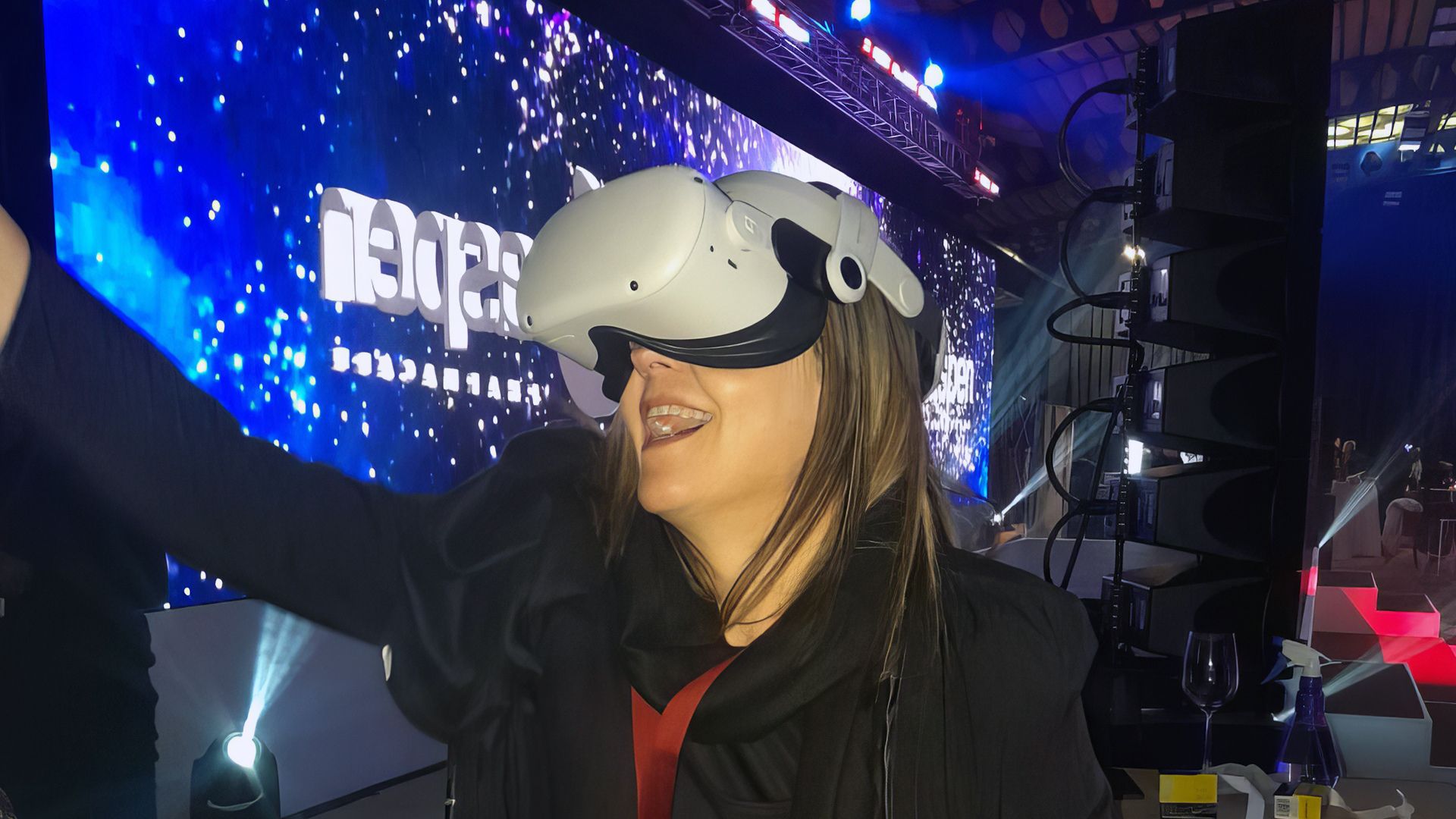
Creating VR experiences that are both user-friendly and inclusive is paramount for maximizing consumer engagement. Accessibility considerations ensure that VR activations cater to a diverse audience, including individuals with disabilities or varying levels of technical proficiency. Designing intuitive interfaces and providing clear instructions can enhance the overall user experience, making VR interactions more seamless and enjoyable. Additionally, addressing potential barriers such as motion sickness or physical discomfort through ergonomic design and customizable settings can improve accessibility. Best practices for VR development emphasize the importance of user-centric design, ensuring that the immersive experiences are engaging, accessible, and cater to the needs of all users, thereby broadening the reach and impact of VR activations.
Overcoming Challenges In Implementing Vr Activations
The Future of VR Activations in South Africa
Advancements in VR Technology and Accessibility
The future of VR activations in South Africa is poised to be shaped by continuous advancements in VR technology and increased accessibility. Emerging innovations such as haptic feedback, eye-tracking, and enhanced graphical rendering are set to elevate the quality and realism of VR experiences, making them more immersive and engaging. As VR hardware becomes more affordable and user-friendly, a wider range of South African brands will be able to adopt and integrate VR into their marketing strategies. These technological advancements will not only improve the consumer experience but also enable brands to create more sophisticated and interactive activations. The ongoing evolution of VR technology promises to unlock new possibilities for brand engagement, driving the next wave of marketing innovation in South Africa.
Integration with the Metaverse and Personalized Experiences
The integration of VR with the metaverse presents exciting opportunities for brand activations, offering a new dimension of interaction and personalization. The metaverse, a collective virtual shared space, allows brands to create persistent and interconnected virtual environments where consumers can engage with their offerings in unprecedented ways. Personalized VR experiences within the metaverse can cater to individual preferences and behaviors, providing tailored interactions that enhance consumer satisfaction and loyalty. Brands can leverage the metaverse to host virtual events, create branded virtual spaces, and offer exclusive virtual goods, fostering deeper connections with their audience. This seamless blend of VR and the metaverse opens up innovative avenues for brands to build and sustain meaningful consumer relationships in a highly interactive and immersive digital landscape.
Emerging Opportunities for Brands and Entrepreneurs
The burgeoning VR landscape in South Africa presents myriad opportunities for brands and entrepreneurs to innovate and differentiate themselves in the market. New avenues for VR marketing are continually emerging, driven by technological advancements and evolving consumer expectations. Startups and entrepreneurs can capitalize on this trend by developing niche VR solutions tailored to specific industries or consumer needs, such as virtual training programs, immersive educational content, or interactive retail experiences. Additionally, the increasing demand for VR content creation and management services offers lucrative prospects for businesses specializing in VR development, production, and consulting. Future trends to watch include the convergence of VR with artificial intelligence and augmented reality, further expanding the potential for innovative VR activations that can redefine brand-consumer interactions in South Africa.
The Future Of Vr Activations In South Africa
Embracing VR for a Competitive Edge in South African Marketing
The integration of Virtual Reality into marketing strategies is not merely a trend but a transformative shift that offers South African brands a competitive edge. By embracing VR activations, brands can create immersive and memorable experiences that resonate deeply with consumers, fostering stronger emotional connections and driving long-term loyalty. The ability to provide personalized and interactive engagements sets brands apart in a crowded marketplace, enabling them to capture and retain consumer attention more effectively. As VR technology continues to evolve and become more accessible, the potential for innovative and impactful brand activations will only expand. South African brands that invest in and adopt VR technologies today will be well-positioned to lead the next generation of marketing innovation, ensuring sustained success and relevance in an increasingly digital and immersive world.
GeraldFerreira
Founder and Immersive Technology Specialist at VR360. Pioneering custom Virtual Reality software, 360° video filming, Matterport 3D digital twins, and immersive enterprise solutions across South Africa since 1998.