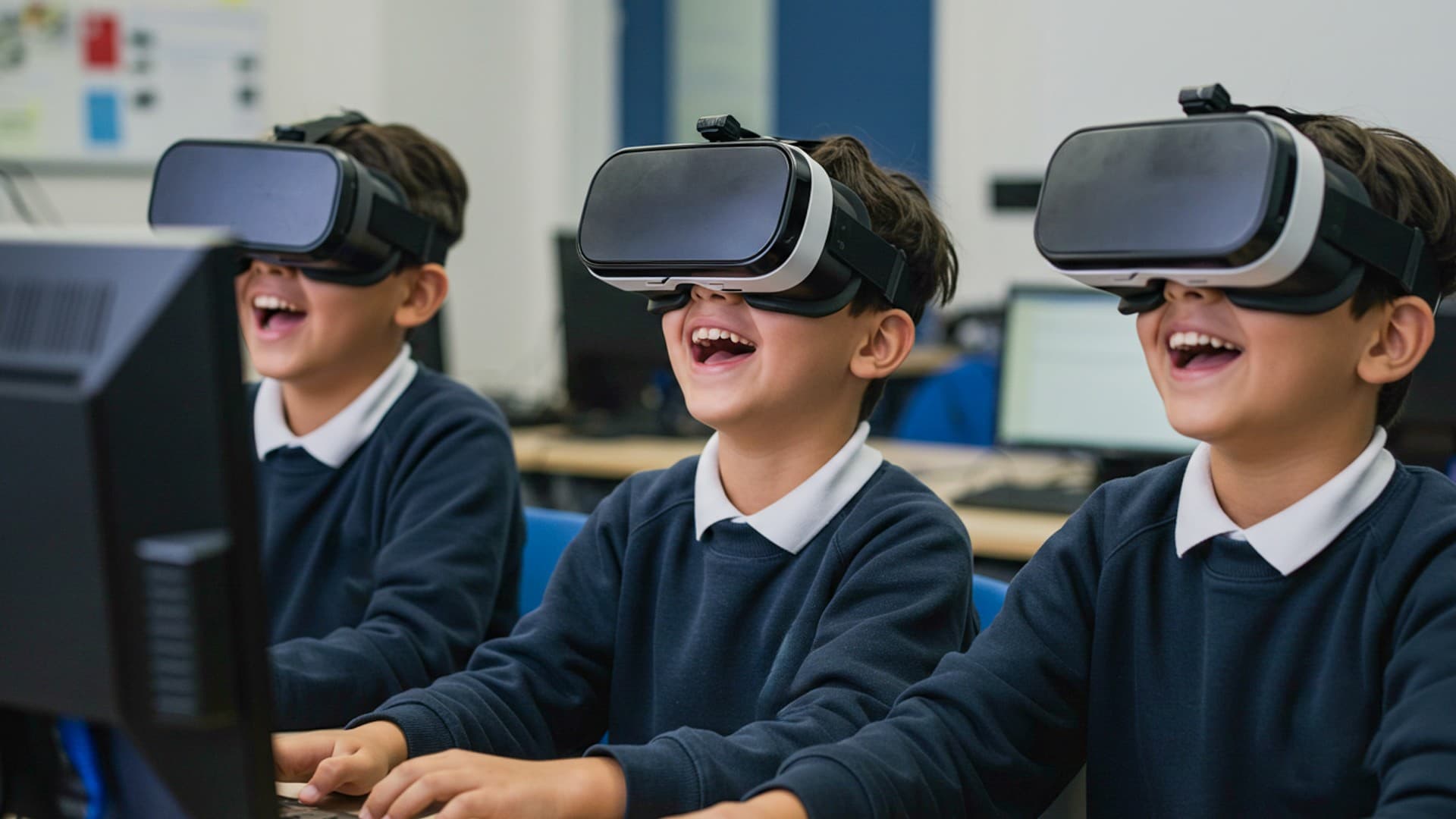
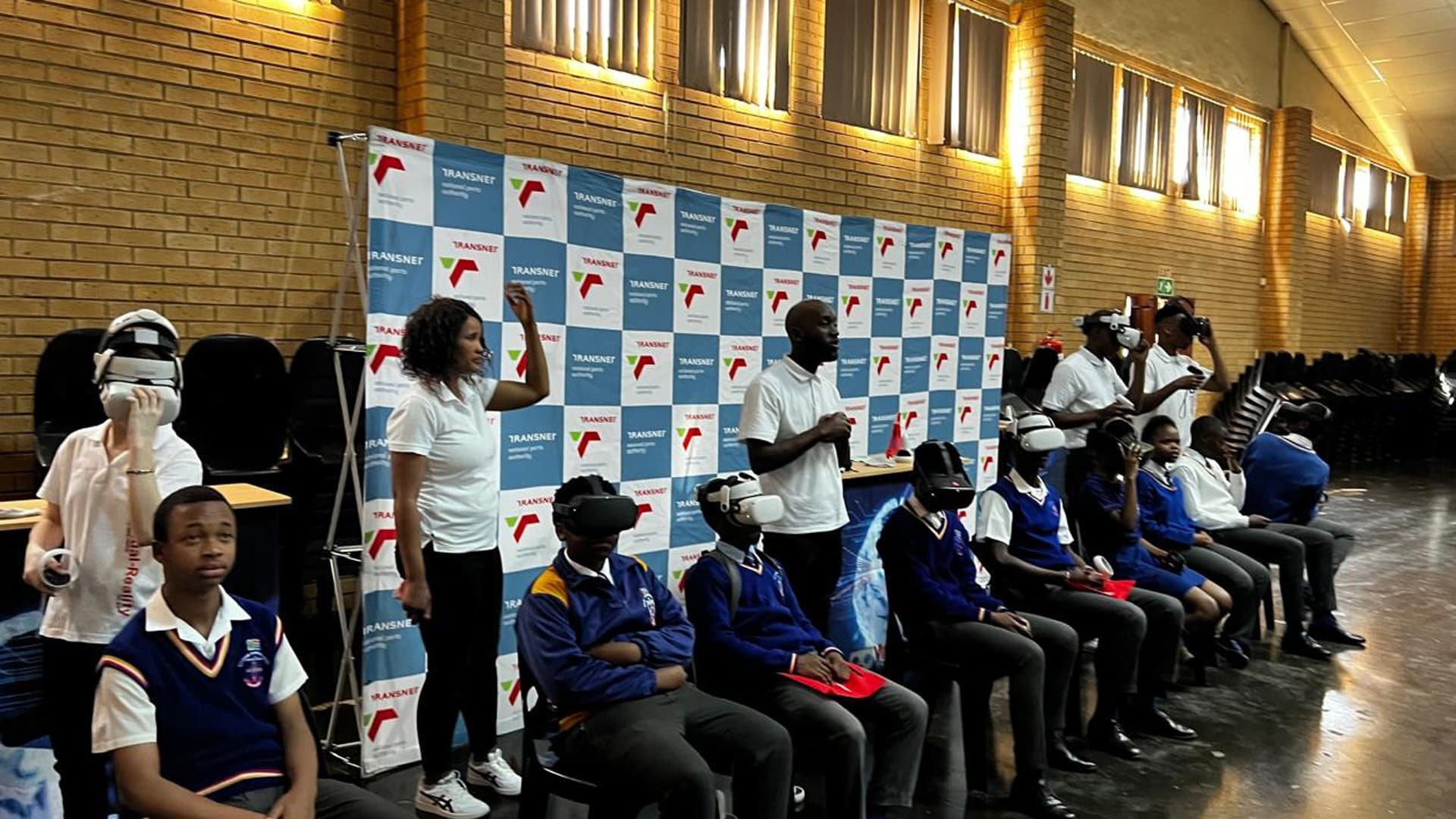
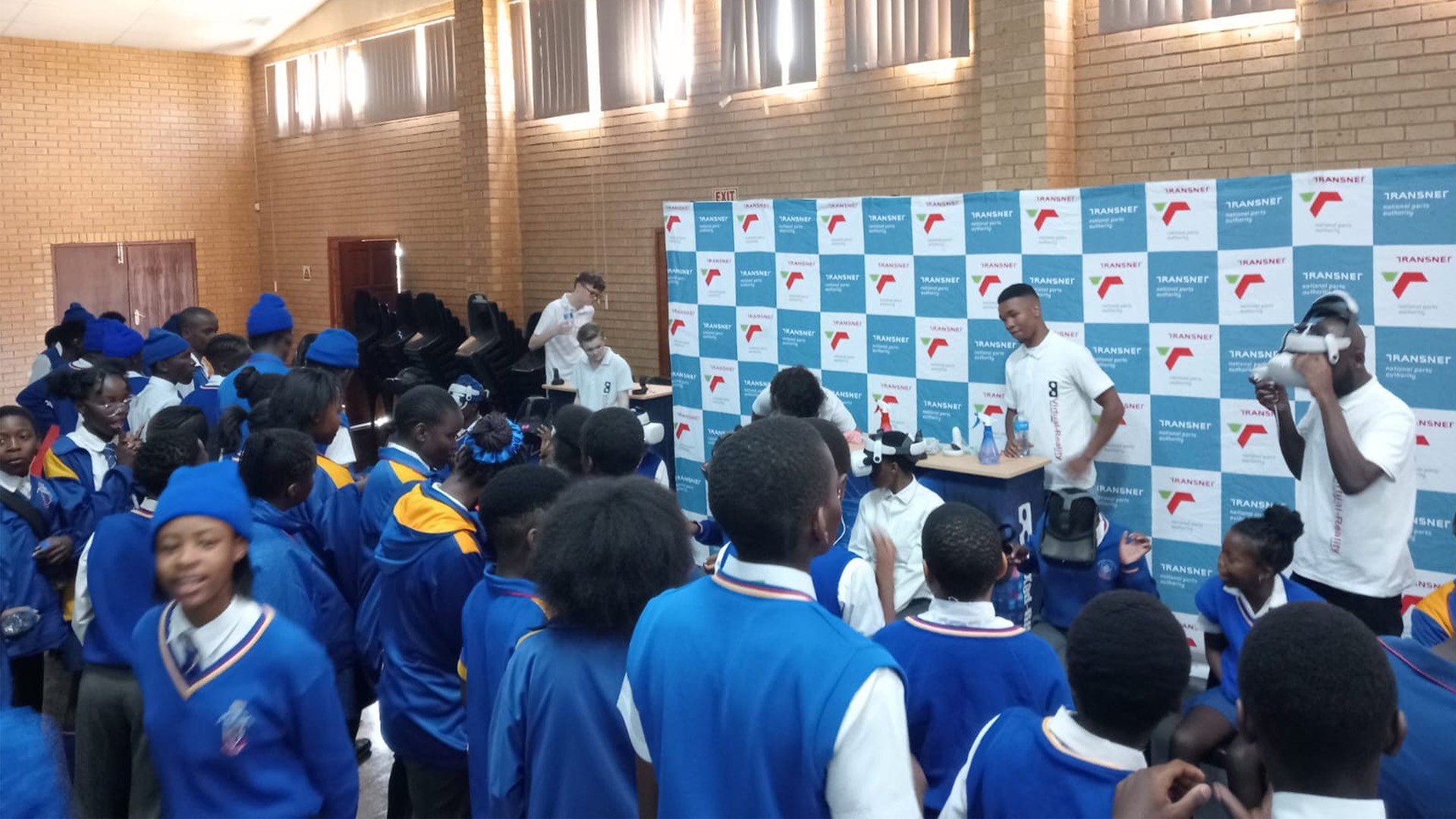
Last Thursday, the 19th of September, we had an incredible opportunity to bring Virtual Reality (VR) technology to a local school for a unique activation in collaboration with Transnet. The primary objective of this event was to engage young learners and introduce them to the strategic importance of South Africa’s major ports. By blending education with cutting-edge technology, we aimed to make the learning process not only informative but also immersive and highly engaging. What better way to capture the imagination of students than by utilizing the power of VR to transport them into different environments?
We came equipped with 10 VR headsets, each loaded with a curated selection of eight 360-degree videos, specifically designed to take the students on a virtual tour of South Africa's maritime world. These videos highlighted the country’s eight major ports, offering a rare, behind-the-scenes look into the infrastructure and operations that play a crucial role in global shipping and logistics. This immersive experience allowed the students to "visit" the bustling ports, witness massive cargo ships being loaded and unloaded, and understand how each port contributes to South Africa’s economy and international trade.
As the students donned the VR headsets, they were immediately transported into the world of maritime logistics. The immersive 360-degree videos provided a sense of presence, making them feel as though they were standing right on the docks, watching the action unfold. The videos not only focused on the technical aspects of the ports but also showcased the human effort, teamwork, and advanced technologies that drive these operations. This method of teaching allowed the students to grasp complex concepts in a more digestible and exciting way.
This VR experience was not just about learning; it was also about sparking curiosity and inspiration. By giving students a firsthand look at the vital operations of the maritime industry, we hope to encourage some of them to pursue careers in fields like logistics, engineering, and international trade. Through the use of VR, the event was able to transform a typical classroom lesson into an unforgettable and impactful educational journey.
The Importance of Ports in South Africa
South Africa’s geographic position on the southern tip of the African continent makes it one of the most critical maritime hubs in the world. The country’s extensive coastlines, stretching along both the Atlantic and Indian Oceans, provide an advantageous location for international maritime routes. With eight major ports scattered across its coastlines, South Africa acts as a gateway for trade between the East and the West. These ports are vital for facilitating the import and export of goods that power the nation’s economy. Everything from agricultural products to minerals, manufactured goods, and even energy resources passes through these ports, making them essential nodes in the global supply chain.
At the heart of this operation is Transnet, a state-owned company responsible for managing most of South Africa’s port and rail infrastructure. Transnet ensures that the ports run efficiently and can handle the massive volume of goods flowing in and out of the country. Their work involves complex logistics, including the coordination of ships, cargo handling, and rail transportation that connects the ports to inland regions. Without these well-managed systems, the South African economy, which relies heavily on its ability to trade on international markets, would face significant disruptions.
The scale and significance of this work often go unnoticed by the general public, particularly young students who may not understand how deeply interconnected these systems are with their daily lives. To bridge this gap, the VR activation was designed to provide students with an engaging, hands-on experience that made the operations of these ports tangible. Through the use of VR, the students could explore the ports and witness the behind-the-scenes action, giving them an immersive look at the infrastructure and activities that keep the country’s economy thriving.
This activation offered more than just an exciting virtual tour—it provided a real-world context for understanding how global trade works and the importance of industries like shipping and logistics. By showcasing the inner workings of the ports, we aimed to inspire the next generation of thinkers, leaders, and innovators who may one day play a role in shaping the future of South Africa’s maritime and trade sectors.
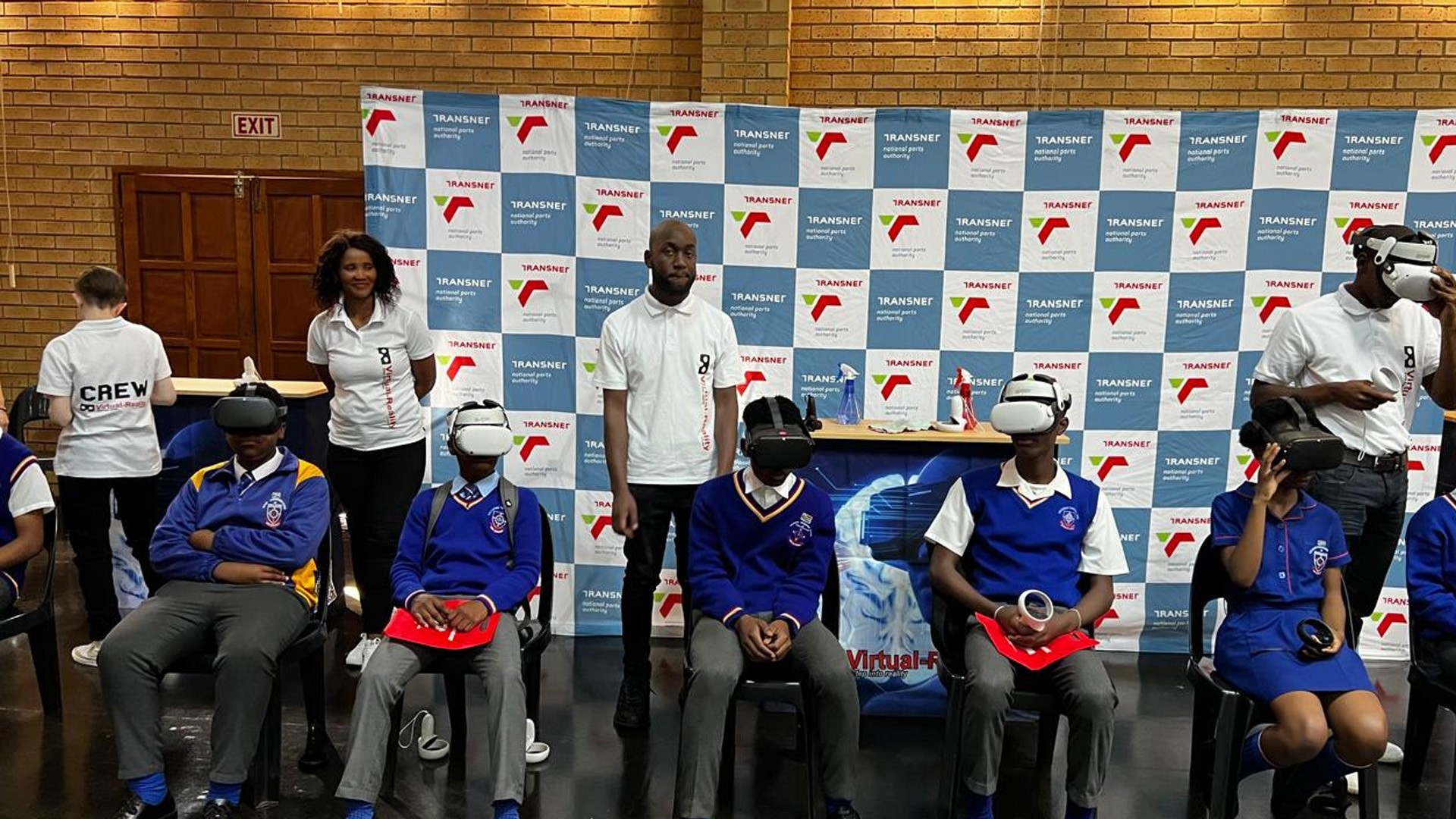
Virtual Reality Vr Technology To A Local School For A Unique Activation
The Ports on Display
For this event, we focused on showcasing the following eight ports:
- Saldanha Bay – Located along the west coast, Saldanha Bay is South Africa’s deepest and largest natural port. It’s primarily known for exporting iron ore, which made for a fascinating viewing experience as students could virtually explore the massive ships and loading docks.
- Cape Town – A bustling tourist destination and trade hub, the Port of Cape Town is surrounded by the iconic Table Mountain. Students loved seeing the juxtaposition of a modern port against the stunning natural backdrop of Cape Town.
- Port Elizabeth – Known as Gqeberha in the local Xhosa language, this port is a key automotive and vehicle shipping hub. The 360-degree video gave students insight into how cars are shipped in and out of the country, a process that was completely foreign to them before the experience.
- Durban – The Port of Durban is Africa’s busiest port, and the video featured impressive footage of container ships, cargo handling, and the port’s state-of-the-art logistics facilities. Many children were awed by the sheer scale of activity in the port, with ships coming and going constantly.
- Mossel Bay – One of the smaller ports, Mossel Bay, focuses mainly on oil and gas. The video showcased offshore drilling platforms and the specialized ships used in the energy industry. This was an eye-opener for the students, who didn’t realize the port's crucial role in the energy sector.
- Richards Bay – Located on the northern coast of KwaZulu-Natal, Richards Bay is one of South Africa’s largest ports by tonnage. It’s primarily a bulk cargo port, dealing in coal exports. The children were fascinated by the massive equipment used to move coal from land to sea.
- East London – This port has a rich history as South Africa's only river port. It is smaller compared to Durban or Richards Bay, but its specialization in automotive shipping made it an interesting topic for the kids. They were intrigued by the car carriers and how vehicles are loaded onto ships.
- Ngqura – One of the newest ports, located near Port Elizabeth, Ngqura serves as a major transshipment hub. It is designed to handle large container ships, and the children were amazed at how advanced the facilities were for dealing with high-volume container traffic.
The VR Experience: A Portal to the Ports
We set up the VR activation with 10 headsets, a combination of Oculus Quest 1 and Quest 2, ensuring that the students had access to high-quality hardware for an immersive experience. By using advanced VR technology, we aimed to provide a seamless and engaging introduction to South Africa's ports, allowing the students to feel fully absorbed in the environment. Each headset was pre-loaded with eight 360-degree videos, each representing a different major port across the country. The videos were designed to offer a comprehensive look at the bustling activity and infrastructure that power South Africa's maritime industry.
As the students entered the activation area, they were given the freedom to choose which port they wanted to explore, making the experience personalized and interactive. Whether they wanted to see the industrial marvel of Durban, the strategic hub of Cape Town, or any of the other key ports, they could decide for themselves and embark on a virtual journey of their choosing.
The VR experience itself was crafted to be user-friendly and accessible, especially for children who may have had no prior experience with virtual reality. We ensured that once the students put on the headsets, they were immediately transported into their chosen port. The intuitive controls allowed them to look around freely in all directions, giving them a sense of autonomy in exploring the virtual space.
The magic of 360-degree video lies in its ability to create a sense of presence. The students could look around and see the harbor from all angles—observing cranes lifting cargo, workers coordinating operations, and ships entering and leaving the port. The sights and sounds of a fully operational harbor made the experience feel incredibly real, as if they were standing right on the docks, watching everything unfold in real-time. This level of immersion gave them a deeper appreciation for the complexity and scale of port operations, transforming a static educational lesson into a vivid, engaging experience.
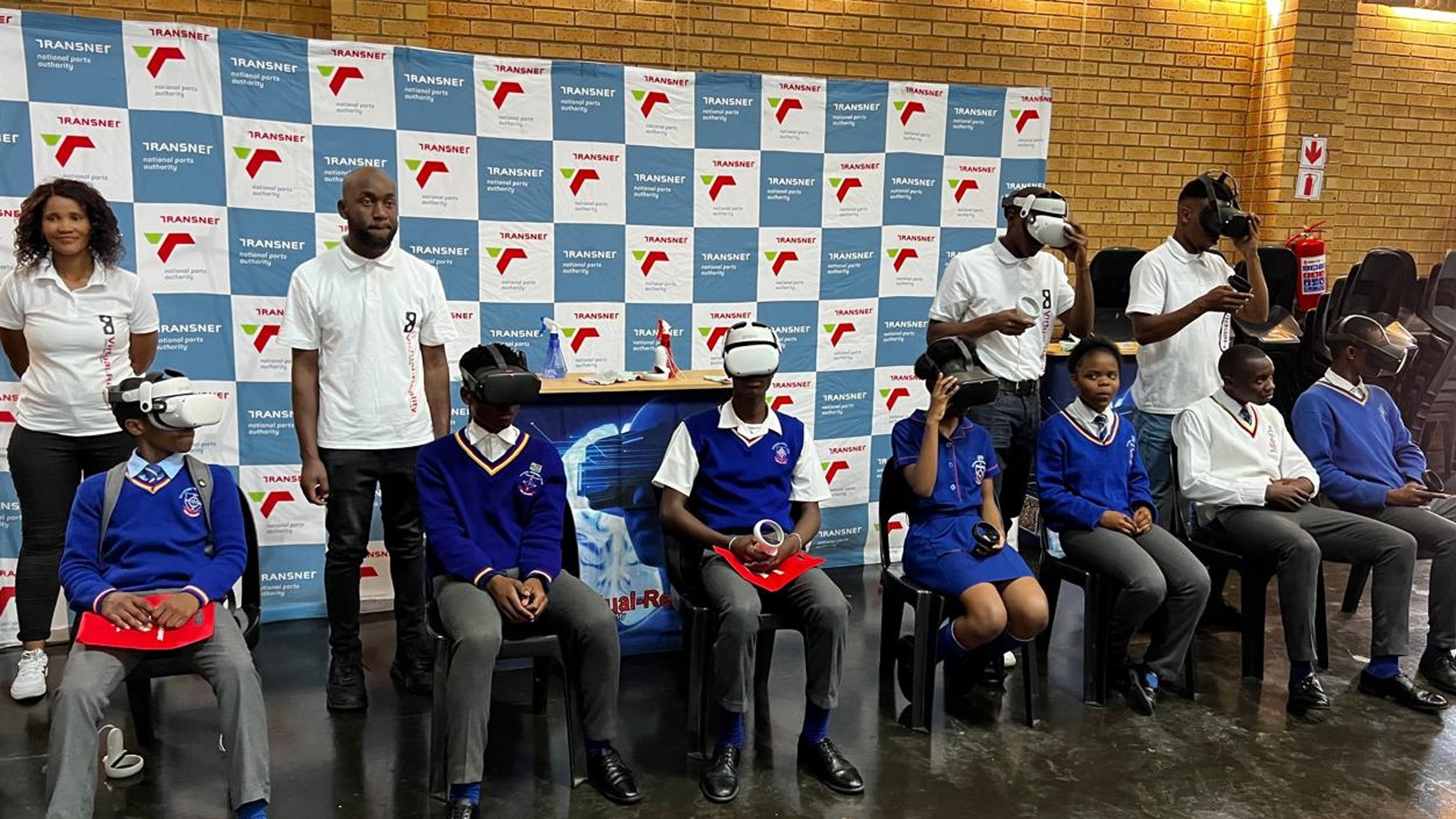
The Vr Experience A Portal To The Ports
A Learning Experience Like No Other
The use of VR brought an entirely new dimension to how students learn about geography, infrastructure, and technology. Traditionally, lessons about ports might involve looking at static images, reading from textbooks, or watching conventional videos. While these methods can be informative, they often struggle to capture the complexity and excitement of such large-scale operations. VR, however, allowed us to provide a much more dynamic and immersive learning experience—one that engaged the students on a deeper, more personal level.
With VR, the students were no longer passive recipients of information; they became active participants in the learning process. As they moved their heads, the view within the VR headset responded, shifting their perspective and allowing them to explore the port environment in real time. This freedom to explore made the experience more personalized, as each student could focus on different aspects of the port that caught their interest. Some were fascinated by the enormous cranes lifting heavy cargo, mesmerized by the precision and power of these machines. Others preferred to observe the comings and goings of ships, watching them dock, load, and sail off into the horizon.
The interactive nature of VR kept the children thoroughly engaged, offering a level of immersion that traditional learning tools simply cannot match. The experience turned abstract concepts into tangible realities. For example, hearing about port logistics is one thing, but feeling like you're standing in the heart of a bustling port, surrounded by machinery and cargo, is entirely different. This hands-on, sensory-rich approach to learning enabled the students to connect with the material in a way that traditional methods rarely achieve.
By providing this immersive experience, we didn’t just teach the students about how a port operates; we allowed them to feel what it’s like to be in the middle of it all. This kind of learning is not only more effective but also more memorable, sparking curiosity and fostering a deeper understanding of the role that infrastructure and technology play in our world.
The Reactions: Pure Excitement
There’s something truly magical about watching children experience VR for the first time. Their wide-eyed wonder, the spontaneous gasps of amazement, and the animated discussions that followed were clear indicators of the activation's success. VR opened up a new world for these young learners, sparking their curiosity and excitement in ways that traditional methods rarely achieve.
Many students were blown away by how real everything felt. One child exclaimed, “It’s like I’m actually there!”—a sentiment echoed by others who were equally impressed by the immersive experience. One student, who chose to explore the Port of Durban, remarked that he could "almost feel the ocean breeze," capturing the remarkable sensory impact of VR. This technology allowed the children to go far beyond the confines of the classroom, virtually visiting places like major ports that they might never get the chance to see in person.
The event not only wowed the students but also impressed the educators. One teacher pointed out that VR could be an excellent tool for future geography lessons, explaining how it helps to transform abstract concepts into tangible experiences. When students are able to place themselves directly in an environment—whether it’s a bustling port, a vast desert, or a sprawling city—it makes the learning process far more memorable and engaging.
By offering an immersive, hands-on experience, VR helps students grasp complex topics with greater clarity. Instead of simply reading about a port or watching a video, the students could “stand” right in the heart of one. This level of engagement not only makes the material more interesting but also leaves a lasting impression, making the lessons more impactful and likely to inspire further interest in the subjects they’re studying.
In the end, the joy and excitement we saw in the students affirmed the potential of VR as an educational tool. It wasn’t just about delivering facts; it was about creating an experience, one that will stick with the students long after the lesson is over.
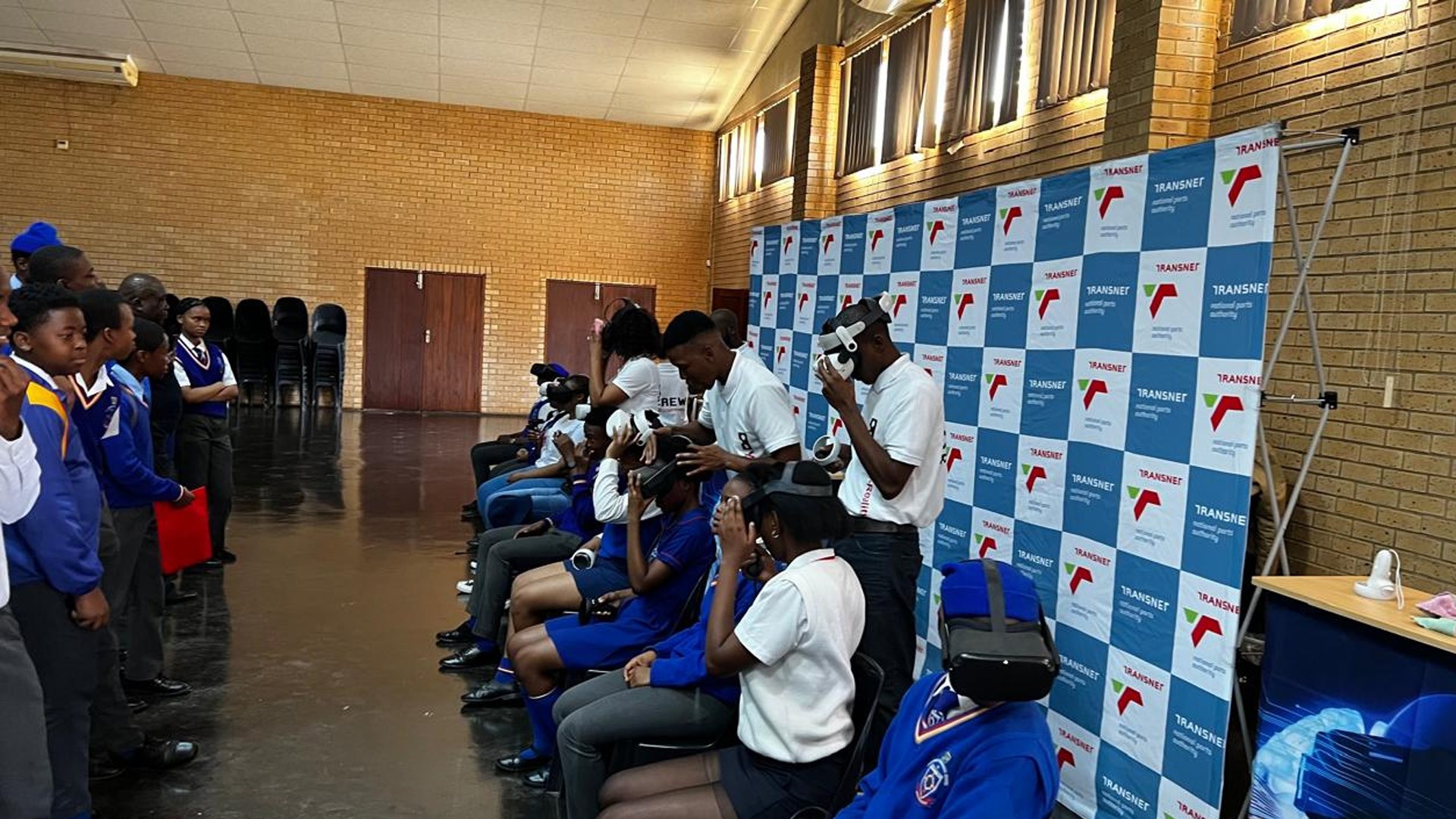
A Learning Experience Like No Other
The Power of Virtual Reality in Education
This activation served as a powerful reminder of the immense potential VR holds for education. While VR is often associated with gaming and entertainment, its ability to create immersive, hands-on learning environments is transforming how students engage with complex subjects. In this particular case, VR allowed us to break down something as intricate as port operations and make it not only accessible but also exciting for young learners. By transporting them into the heart of South Africa's major ports, we gave them the opportunity to experience the scale and significance of these operations firsthand.
The educational benefits of VR are increasingly supported by research. Studies show that students tend to retain information better when they can interact with it in a meaningful, immersive way. VR goes beyond traditional learning tools, allowing students to move from passive observation to active participation. They can explore environments, engage with content, and experience scenarios that would be impossible or impractical in real life, making abstract concepts more concrete and understandable.
This Transnet activation is a prime example of how VR can revolutionize the learning process. By immersing students in virtual worlds, we not only enhance their understanding of the material but also spark curiosity and foster a deeper connection to the subject matter. The interactive, multisensory nature of VR stimulates both cognitive and emotional engagement, leading to more memorable and impactful learning experiences.
As VR technology becomes more accessible, its applications in the classroom will likely expand, providing educators with a powerful tool to bring lessons to life. Whether it’s exploring distant lands in geography class, stepping into historical events, or understanding complex systems like port logistics, VR offers endless possibilities to enrich education. This activation has shown how, with the right approach, VR can be more than just a novelty—it can be a game-changer in how we educate and inspire the next generation of learners.
The Future of VR in Learning
As VR technology continues to advance and become more affordable, the opportunities for incorporating it into educational environments are expanding rapidly. The prospect of taking students on virtual field trips to historical landmarks, exploring the depths of the ocean, or even embarking on a journey through space—all from the comfort of their classroom—feels closer than ever. The possibilities are virtually limitless, and the potential for deeper, more meaningful engagement is immense. By breaking down geographical and logistical barriers, VR offers a new frontier for immersive learning experiences that can enhance students' understanding of the world in unprecedented ways.
For now, we are proud to have brought South Africa's ports to life for a group of eager young learners. The overwhelmingly positive feedback from both students and teachers confirmed the success of this initiative. Many of the students left the experience with a new appreciation for the scale and complexity of the country's ports, and their excitement was palpable. The teachers, too, recognized the educational value of VR, noting how it transformed abstract lessons into tangible, memorable experiences. We're already looking forward to future VR activations that will offer similarly immersive, educational opportunities.
This Virtual Reality activation, created in partnership with Transnet, was a resounding success. By merging cutting-edge technology with relevant educational content, we managed to provide students with an unforgettable experience that went beyond mere entertainment. It taught them about the vital role ports play in South Africa's economy, giving them an inside look at a critical sector they might have otherwise overlooked.
Moving forward, we hope to see more initiatives like this, where VR bridges the gap between theory and real-world experience. By allowing students to explore environments that would be difficult or impossible to access in person, VR has the potential to revolutionize education. It enables a more hands-on approach to learning that can inspire curiosity, deepen understanding, and make even the most complex subjects engaging.
As VR continues to evolve, it's exciting to think about what's next. But for now, the students who experienced this activation walk away with a newfound appreciation not only for South Africa’s ports but also for the exciting world of Virtual Reality.
The Power Of Virtual Reality In Education
Elisha Roodt
Founder and Immersive Technology Specialist at VR360. Pioneering custom Virtual Reality software, 360° video filming, Matterport 3D digital twins, and immersive enterprise solutions across South Africa since 1998.