
Loading...

The Chery Virtual Reality tour was created in 2011 at the Johannesburg International Motor Show at the Nasrec Expo Centre. In the full Johannesburg Motor Show Virtual Reality Tour, you can walk through the whole show, from one brand to the next and view the vehicles that were on display.

The Chery Virtual Reality tour was created in 2011 at the Johannesburg International Motor Show at the Nasrec Expo Centre. Through spatial documentation, audiences can explore Chery's pioneering exhibition stand and view the vehicles that Chery presented on the floor during this landmark automotive gathering.
In the full Johannesburg Motor Show Virtual Reality Tour, you can walk through the whole show—navigating seamlessly from one brand to the next and inspecting most of the cars that were on display at the expo, simply by moving from one automotive manufacturer stand to the next.
Over the last few years there has been an increased emphasis on developing completely digital retail stores in city centres, making car purchasing more accessible to the consumer.
The London Audi City showroom in Green Park is the smallest Audi dealership in the UK, measuring just 420 sq m and featuring around four vehicle models. But it has proved that size is not important; it has been a huge success.
Interestingly, 50 per cent of customers in the first half of 2013 ordered vehicles at the store without a physical test drive, having “experienced” their future car in an entirely virtual environment. Studies suggest that about five per cent of all cars will be sold online by 2020.
Hyundai has innovated by opening a pop-up in Bluewater shopping centre. Called Rockar Hyundai, the digital store integrates in-store, online, and mobile platforms.
The platform allows guests to research, book a test drive, obtain a price for their old car, choose a payment option, purchase, and organize a service of their car—all at the touch of a button.
The ultimate way of selling cars is to get a person behind the steering wheel of the car—here he can touch the car, view the car, and smell the interior of the car. This is of course not possible on the internet, and most automotive companies still rely on photographs to advertise and sell their cars online. Research has shown that cars advertised with photographs sell better than cars without photographs.
The real game changer for the automotive market is virtual reality. VR enables dealers to showcase models conveniently wherever the customer wants—in a boutique shop, in shopping centres, in customers' living rooms, or at work. And there are no constraints; entire model line-ups can be shown—past, current, and future—with an infinite number of optional configurations.
By pure numbers and accessibility, we envisage that more and more people will buy cars from dealerships straight from only experiencing the cars in virtual reality.
“Virtual reality is the sleeping giant that could be another disrupter to significantly improve car shopping, the test drive and brand as well as dealer experiences.”
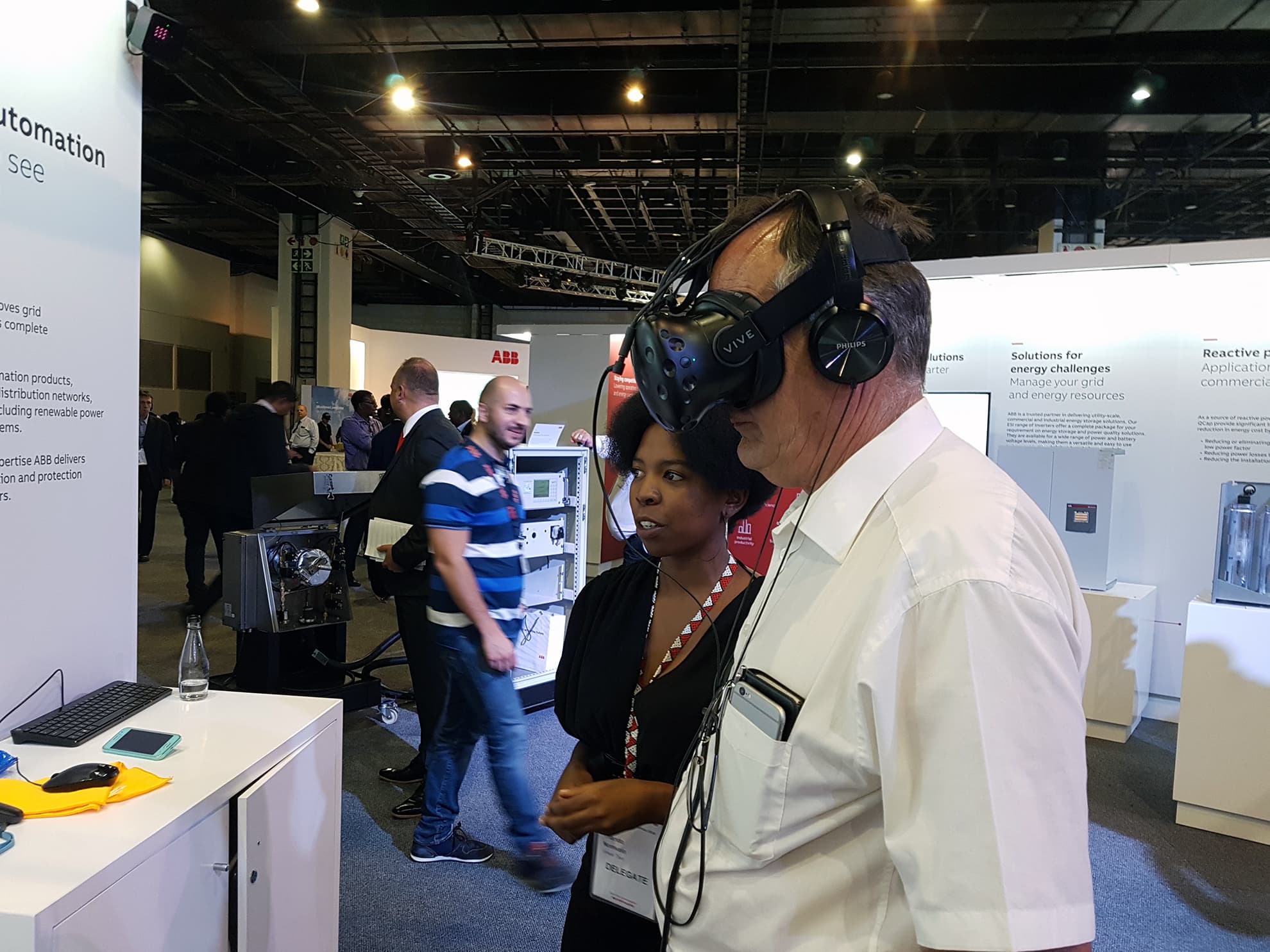
Get in touch with our Johannesburg team to explore custom Virtual Reality, Augmented Reality, 360° video filming, and software solutions.