
Loading...

VR360 create virtual reality applications for mobile virtual reality devices like the Samsung Gear VR, Oculus Go and Google Cardboard. We develop for Android devices, Apple Devices and Windows devices using the Unity gaming engine.
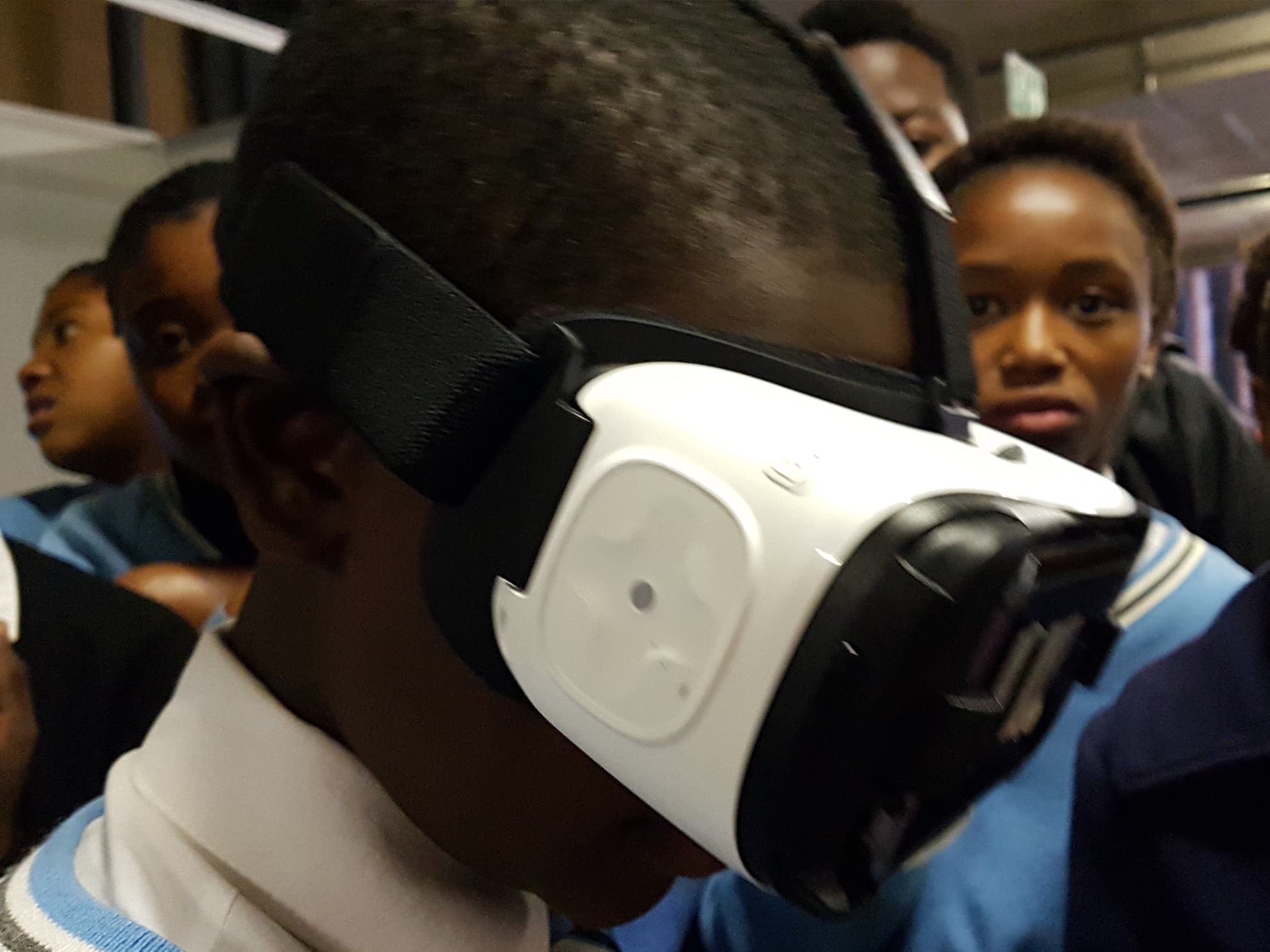
VR360 creates virtual reality applications for mobile VR devices such as Samsung Gear VR, Oculus Go and Google Cardboard. We develop applications for Android, Apple and Windows devices. As part of our Virtual Reality Mobile Development service, we create high-end mobile VR applications using the Unity game engine.
We can also shoot and produce 360° video transforming traditional videos and presentations into immersive Virtual Reality mobile applications and experiences.
Mobile VR devices like Google Cardboard and Samsung Gear VR provide an accessible entry point into virtual reality by using the power of smartphones. This makes VR more affordable and widely available, while offering businesses opportunities to create engaging, immersive content.
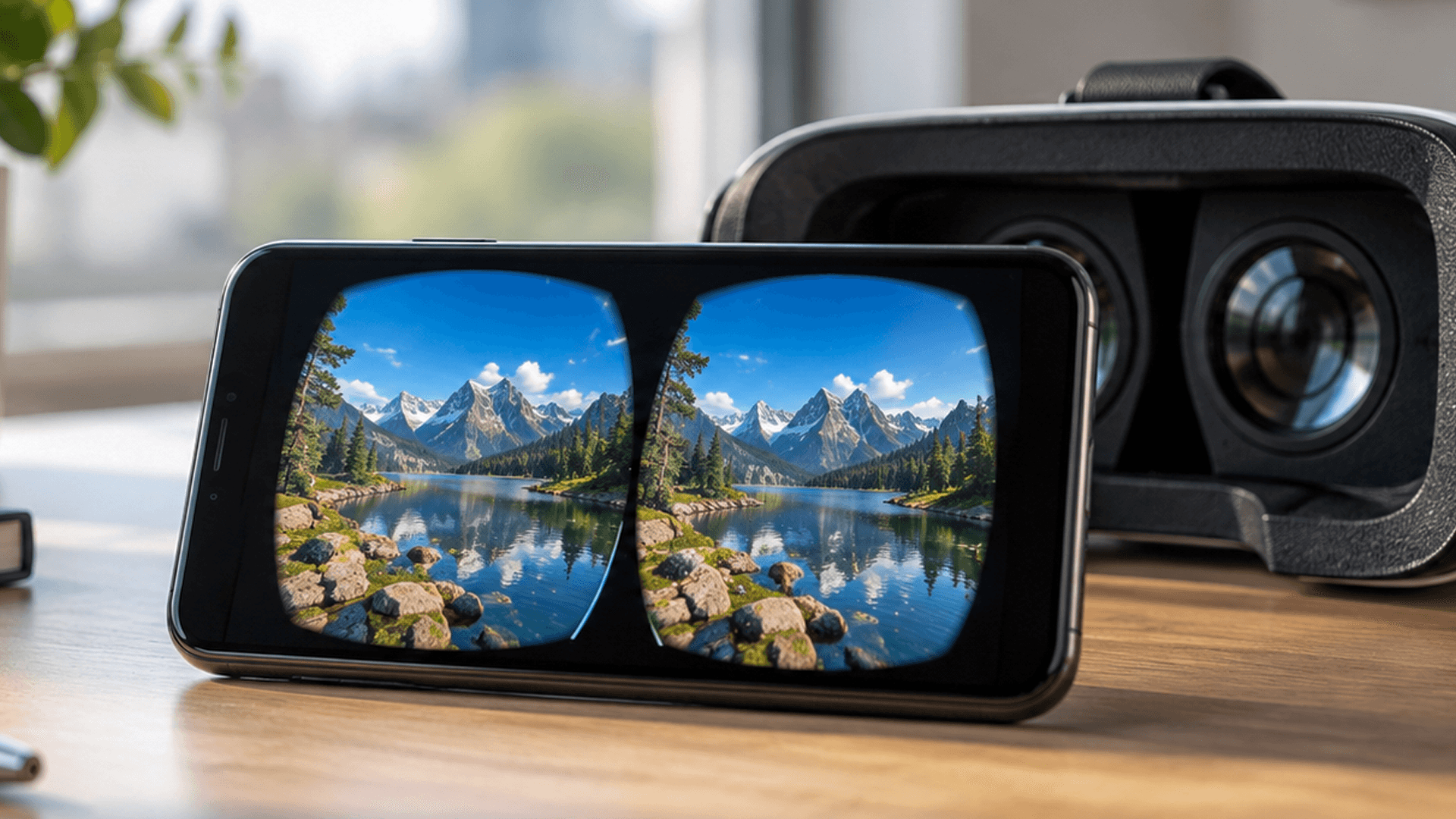
Turnkey native deployments for iOS and Android, optimized for low battery drain, smooth 60fps head-tracking, and zero latency.
Scalable 3 Degrees of Freedom (3DOF) mobile headsets that transform standard smartphones into interactive visual displays.
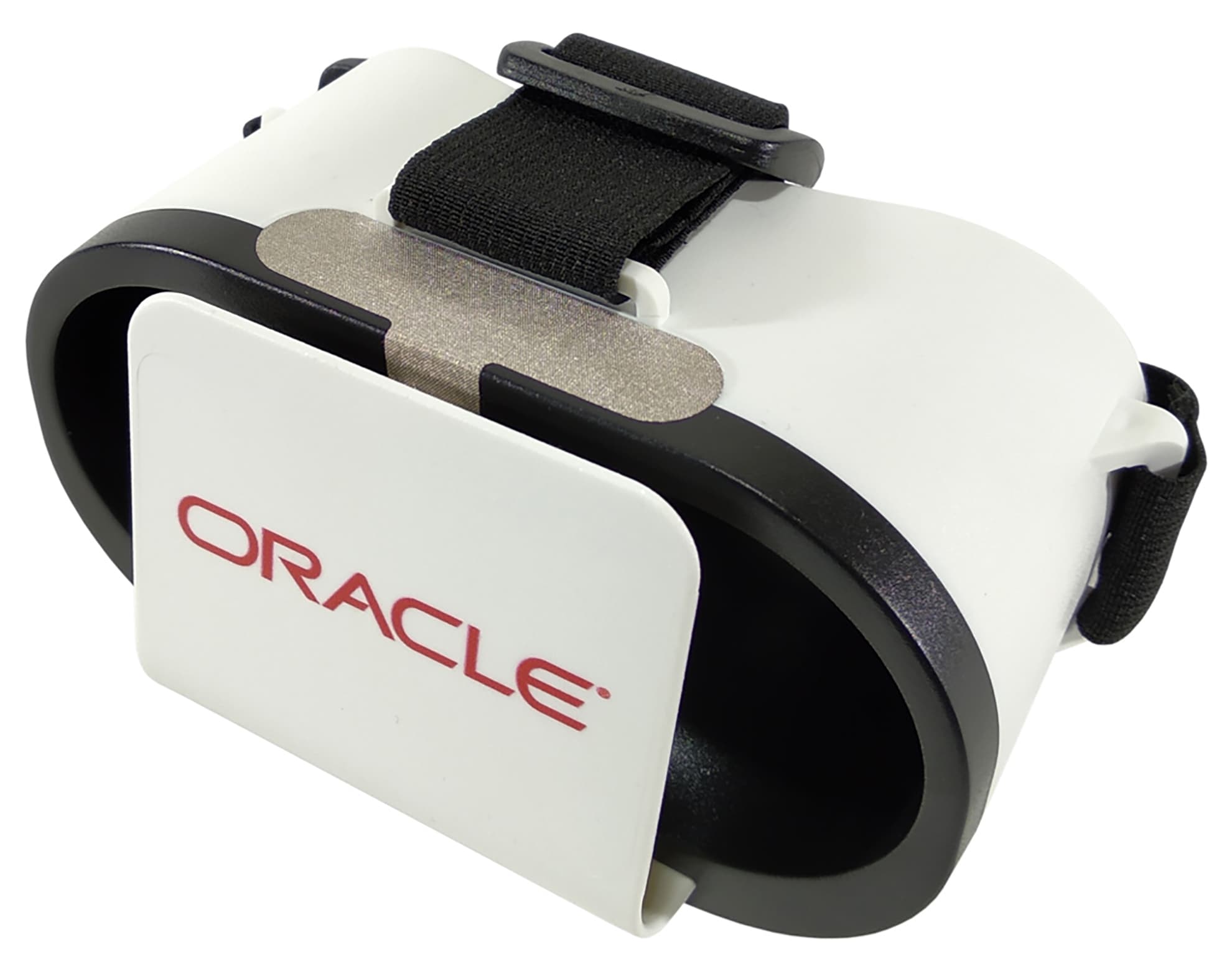
Locally fabricated and custom-branded mobile VR goggles engineered in South Africa for direct mass-market brand activations and promotional marketing campaigns.
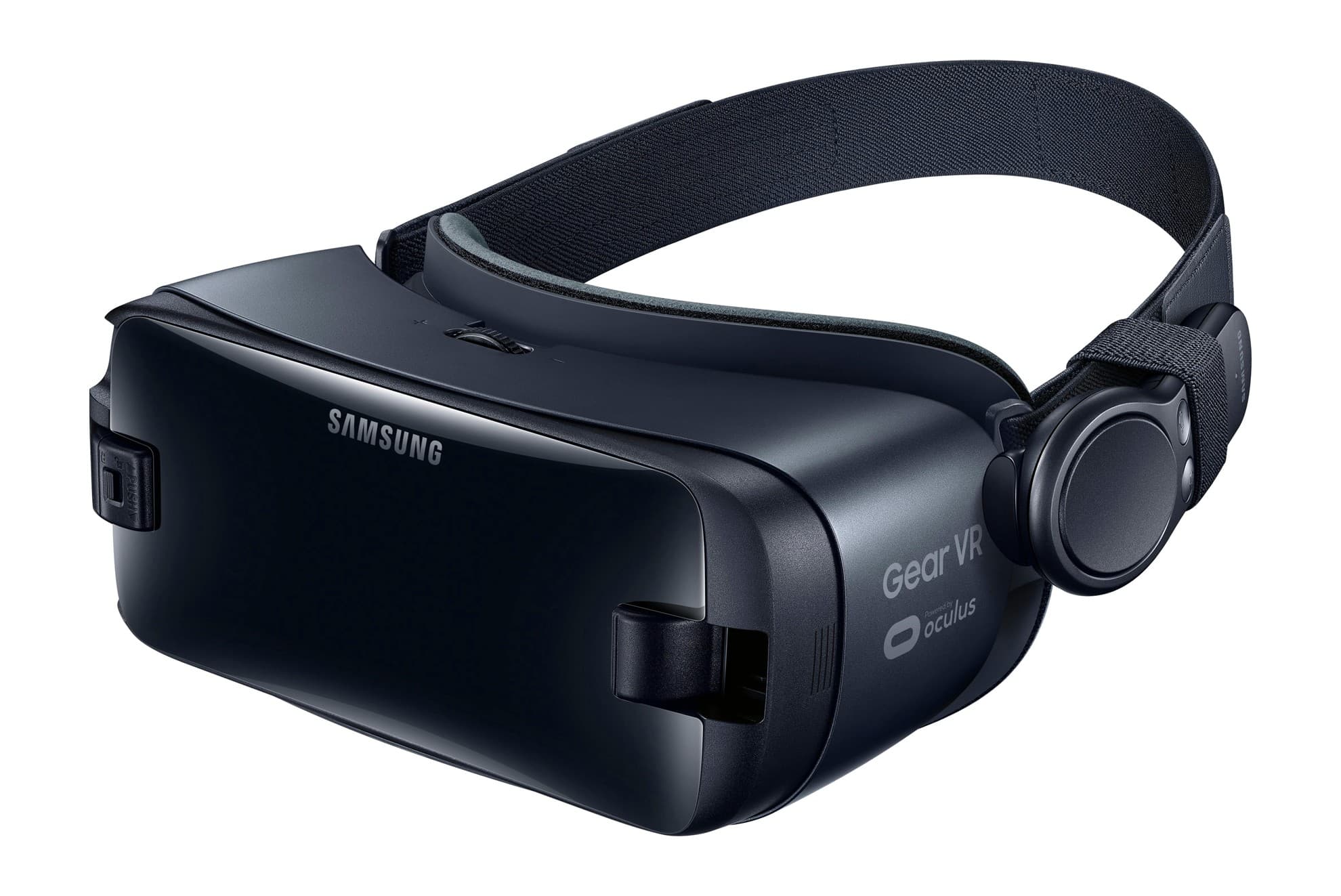
Equipped with dedicated onboard accelerometer and gyroscope sensors for high-precision, low-latency mobile head tracking paired with Samsung OLED displays.
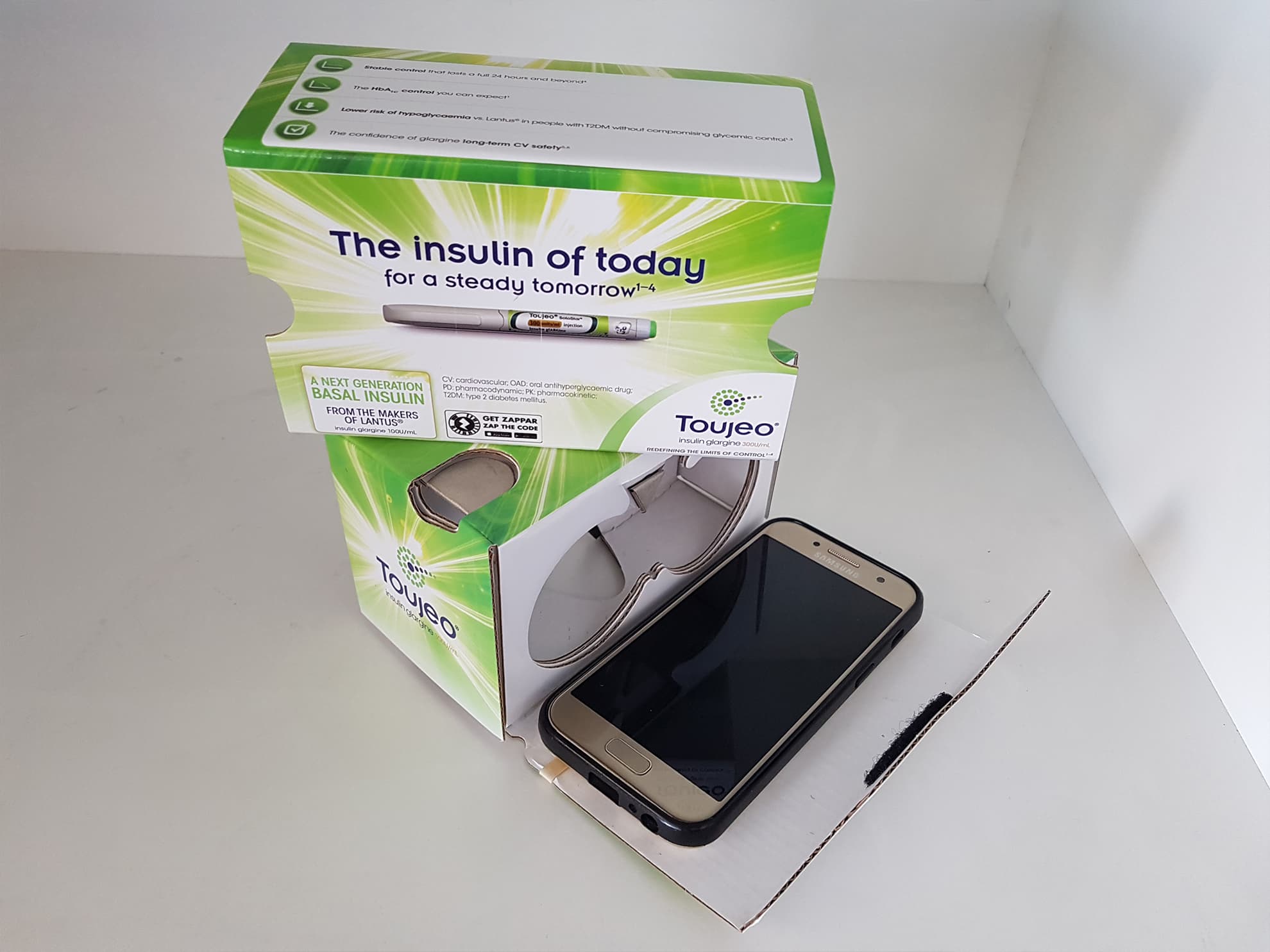
Foldable, lightweight, and cost-effective mobile viewers that fit inside consumer mailers or event gift bags, enabling anyone with a smartphone to enter VR.
Mobile VR involves using a smartphone as the display and processing unit for a VR experience. The phone is inserted into a VR headset shell (like Google Cardboard or Samsung Gear VR), which typically contains lenses and sometimes additional sensors.
These devices are highly accessible due to their low cost and use of smartphones. They’re also portable, not requiring cables or a PC, making them suitable for a wide range of users.
Crafting memorable spatial experiences tailored to smartphone computing budgets and user ergonomic comfort.
Since smartphones have limited processing power compared to PC-based VR systems, content needs to be well-optimized to run smoothly, avoiding complex graphics or overly demanding applications.
Mobile VR is ideal for shorter experiences. Longer sessions can be uncomfortable due to the weight of the smartphone and potential overheating issues.
Content that offers compelling and immersive storytelling can be highly effective, as it plays to the strengths of VR without requiring high-end graphics.
Incorporating simple interactive elements can greatly enhance the experience without overburdening the device’s capabilities.
Understanding technical boundaries helps businesses select the right XR medium for their objectives.
Mobile VR can’t match the performance of high-end VR systems like Oculus Rift or HTC Vive, which offer better visuals, more advanced tracking, and greater interactivity.
The experience quality heavily depends on the smartphone’s capabilities, resulting in varied experiences across different devices.
Generally, these devices offer a less comfortable and immersive experience than more advanced VR headsets, which can deter prolonged use.
Experience spatial storytelling engineered by VR360—viewable on desktop or mobile with 360° gyro rotation.
An immersive 360° spatial walkthrough allowing audiences worldwide to explore state-of-the-art medical facilities directly from their mobile devices.
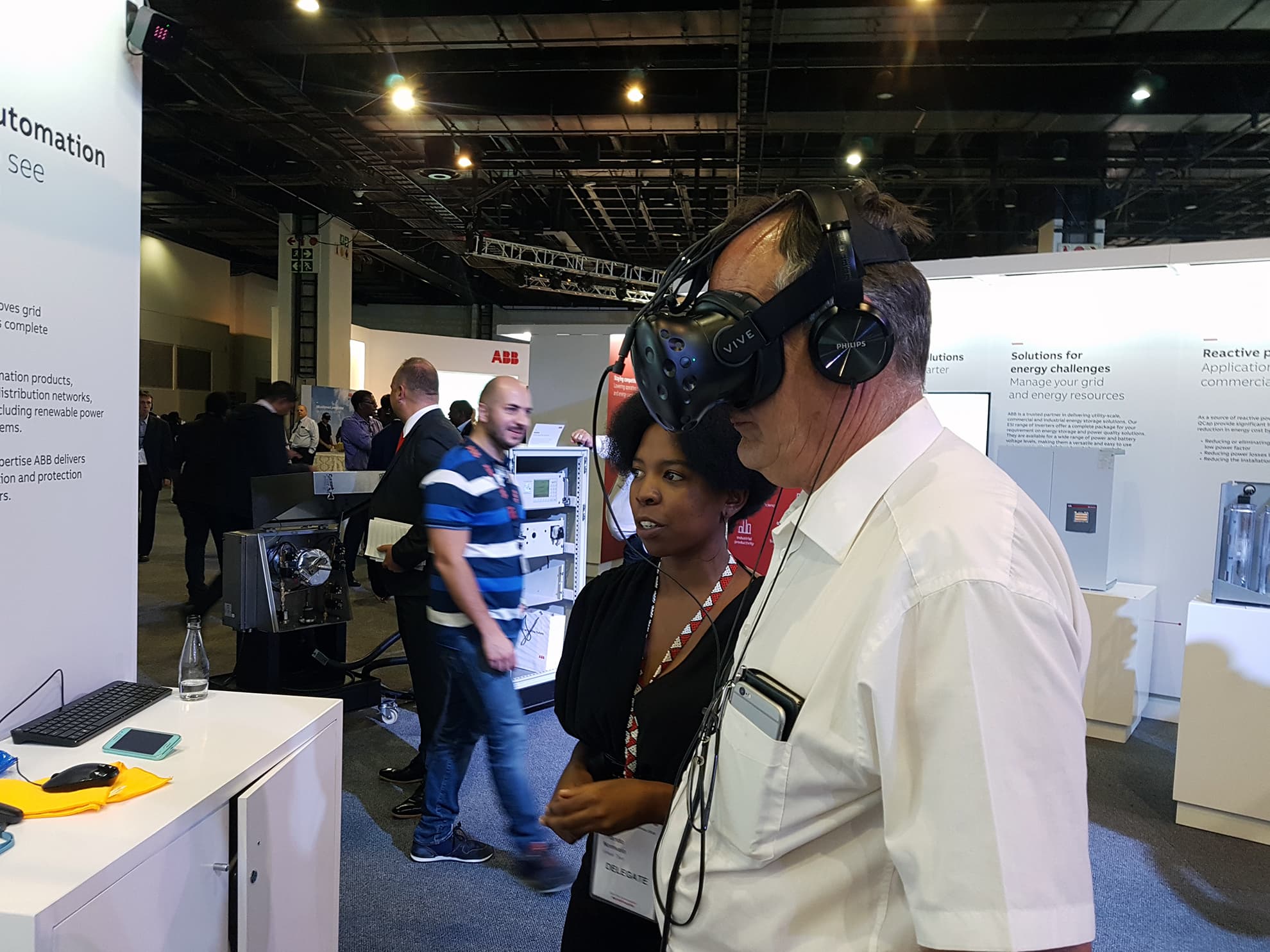
Highlights from VR activations and mobile headsets deployed across South African expos, product launches, and corporate events.
Why forward-thinking enterprises use low-cost mobile VR viewers to amplify audience engagement and ROI.
Companies can reach a broader audience due to the low cost and ease of distribution of mobile VR headsets.
They provide a unique way to engage with customers, offering branded VR experiences that are memorable and interactive.
Mobile VR can be an effective tool for basic training and educational programs, allowing for immersive learning experiences without a significant investment.
They are ideal for use at events, conferences, or trade shows, where they can be used to showcase virtual tours, product demos, or interactive content related to the company’s offerings.
These are popular for mobile VR, providing an immersive viewing experience that doesn’t require high processing power.
Businesses can use mobile VR for virtual tours of real estate, travel destinations, or museums.
Simple educational experiences and simulations can be effective, especially for schools and institutions looking for cost-effective VR solutions.
Companies can create branded storytelling experiences for marketing purposes, offering an innovative way to connect with customers.
Mobile VR, with devices like Google Cardboard and Samsung Gear VR, offers an affordable and accessible way to experience virtual reality. While it has limitations compared to high-end VR systems, its potential for widespread distribution and unique engagement experiences makes it a valuable tool for businesses and educational institutions alike.
In an era where technology constantly evolves, Virtual Reality (VR) stands out as a game-changer, especially in its mobile form. VR360, a pioneer in immersive digital experiences, is at the forefront of leveraging Mobile Virtual Reality to transform how people interact with digital content.
Mobile Virtual Reality, characterized by devices like Google Cardboard and Samsung Gear VR, uses smartphones to deliver VR experiences. This approach has democratized access to VR, making it more affordable and accessible than ever before. At VR360, we harness this accessibility to bring VR to a wider audience, offering a range of services and solutions tailored for Mobile VR.
VR360 recognizes the importance of accessibility in technology. By utilizing Mobile VR, we provide cost-effective solutions for immersive experiences, allowing businesses and educational institutions to step into VR without significant investments.
Our expertise lies in creating content that’s perfectly optimized for Mobile VR. This means developing experiences that are not only engaging but also run smoothly on various smartphone capabilities.
From marketing to education, the potential applications of Mobile VR are vast. VR360 specializes in creating unique VR experiences for different sectors, including virtual tours, interactive learning modules, and engaging marketing campaigns.
Empowering South African brands, schools, and organizations with accessible spatial storytelling.
Unlike high-end VR systems, Mobile VR doesn’t require expensive hardware, making it accessible to a larger population.
For businesses, Mobile VR serves as an innovative marketing tool, offering unique brand experiences to customers.
In education, it provides an interactive and engaging way to learn, making it a valuable tool for schools and educational content creators.
Mobile Virtual Reality (VR) has become increasingly popular due to its accessibility and ease of use. However, like any technology, it has its advantages and disadvantages. Here’s a list of the pros and cons of Mobile VR:
Mobile VR headsets, like Google Cardboard, are far more cost-effective than dedicated PC or console-based VR systems.
Leverages smartphones already owned by millions, eliminating the need to purchase dedicated head-mounted displays.
Extremely lightweight and untethered, making it effortless to carry anywhere and share VR experiences on the go.
User-friendly with near-zero setup—simply insert the smartphone into the headset shell to start experiencing VR.
Highly versatile for education, basic gamification, commercial product showcases, and interactive 360° video.
Provides instant access to spatial content through web browsers, QR codes, and pre-installed mobile video apps.
Constrained by mobile phone processors, limiting computational performance and simulation scale compared to PC-based VR.
Smartphone screens and mobile GPUs deliver lower display resolutions and simpler texture graphics than premium VR rigs.
Relies on 3DOF rotational viewing rather than 6DOF room-scale tracking, lacking advanced handheld motion controllers.
Intensive VR rendering drains phone battery rapidly and can cause devices to overheat during extended sessions.
Not all smartphones fit every headset shell, and performance varies widely between entry-level and flagship phones.
Phone weight on simple strap shells can cause neck fatigue or slight motion sickness during longer viewing sessions.
Get in touch with our Johannesburg team to explore custom Virtual Reality, Augmented Reality, 360° video filming, and software solutions.