
Loading...
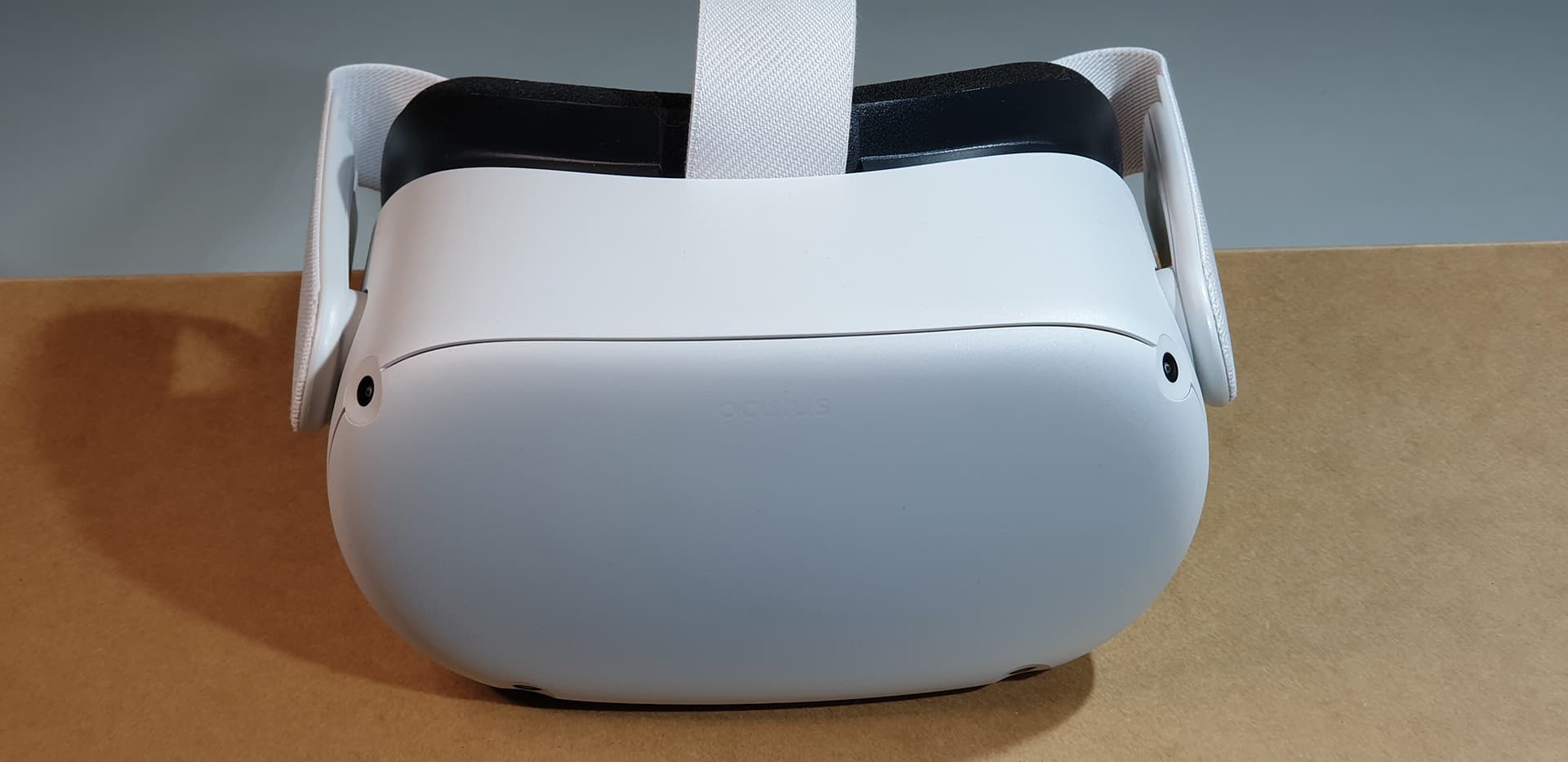
The Oculus Quest 2 redefined spatial computing by offering a standalone all-in-one wireless VR headset with next-generation resolution, high refresh rates, and seamless tethered PCVR versatility.
The Quest 2 introduced massive leaps in raw processing power, pixel density, and ergonomics over the original Quest. Here is how the hardware measures up under the hood.
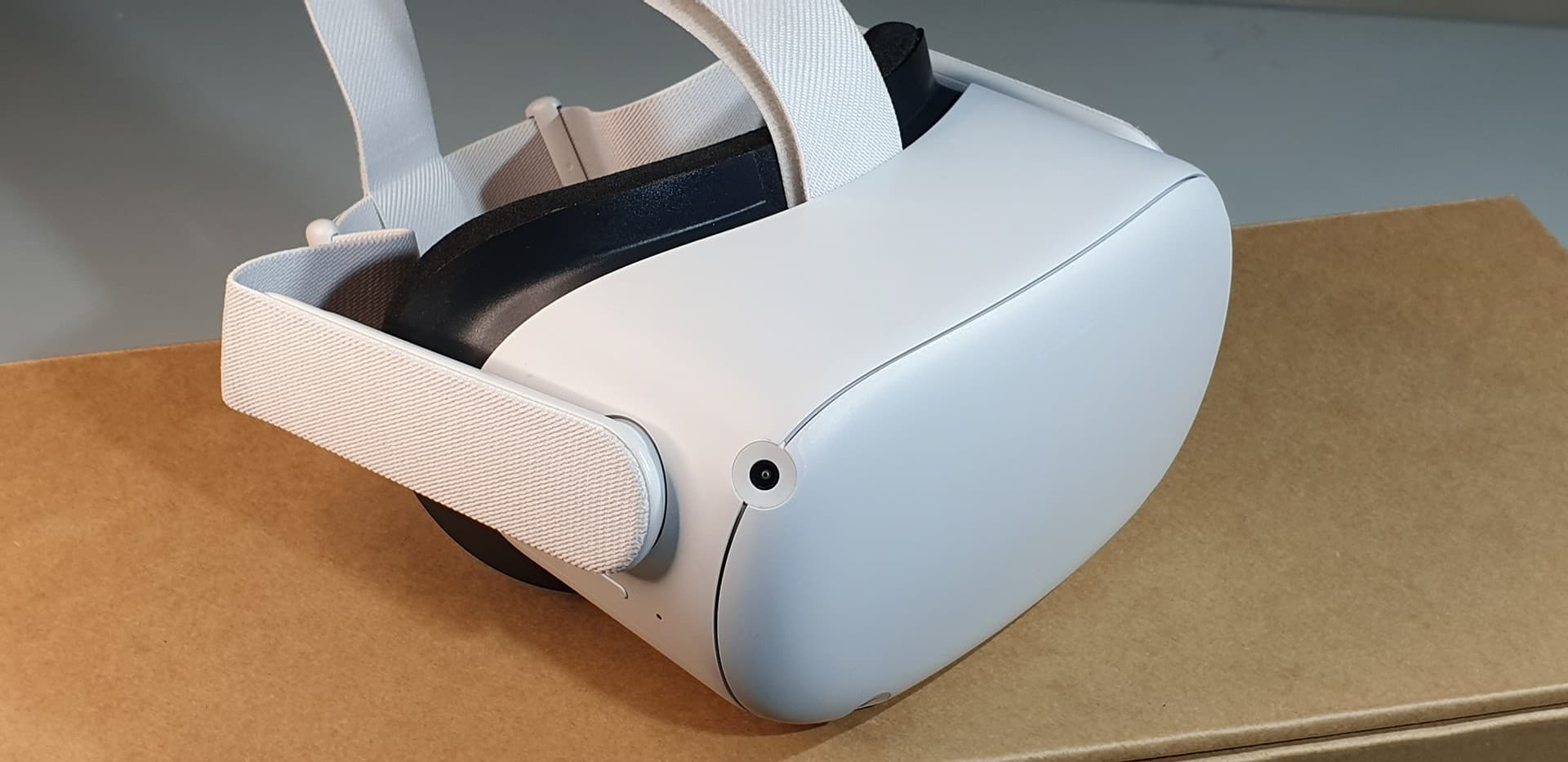
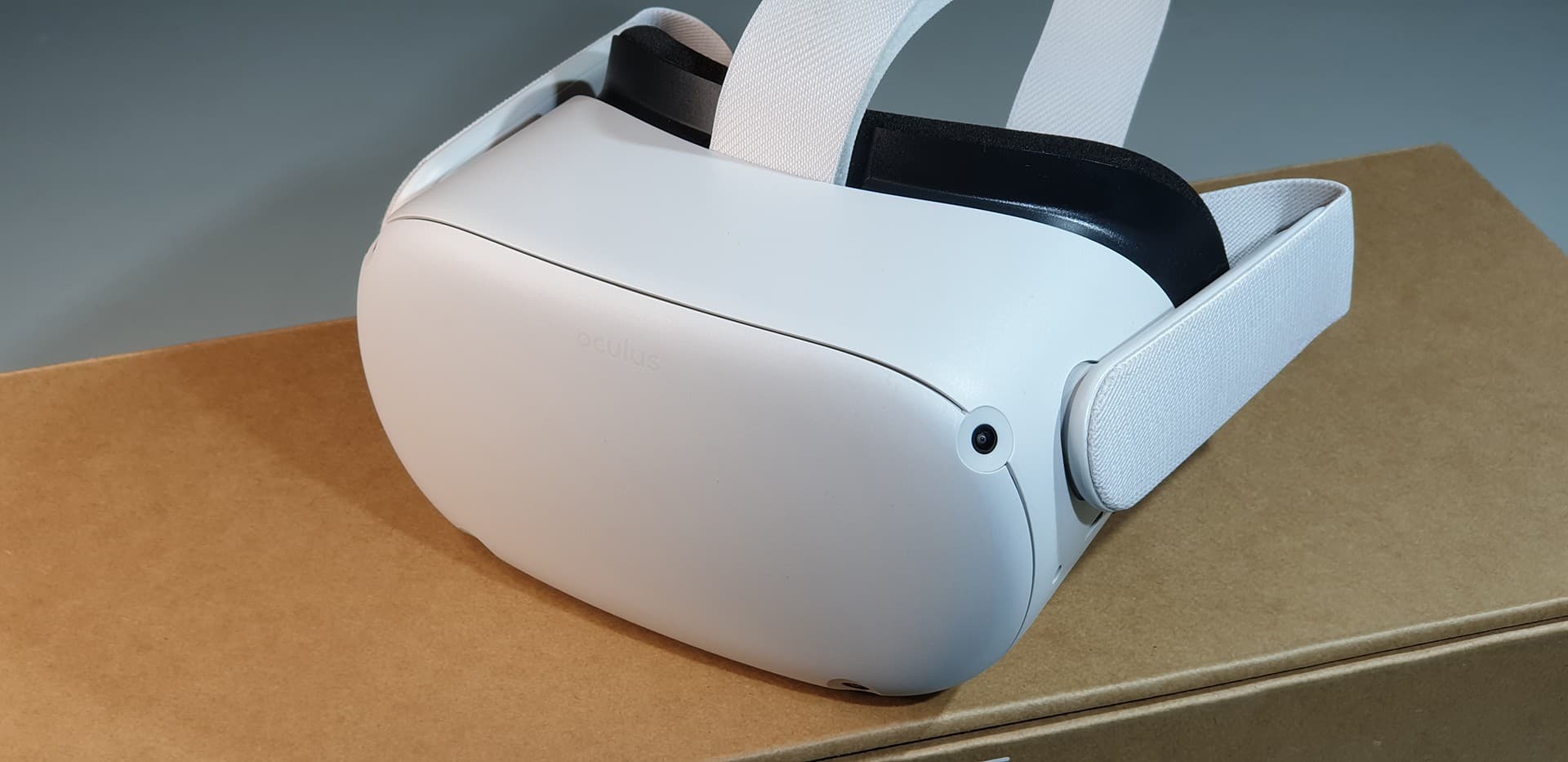
Engineered specifically for spatial computing, the Snapdragon XR2 architecture delivers twice the CPU and GPU processing performance of the original Quest, paired with 6GB of high-speed RAM for uncompromised mobile VR simulations.
A singular fast-switch LCD panel outputting 1832 × 1920 pixels per eye (nearly 4K total resolution). Provides almost 50% more pixels than the first-generation headset, virtually eradicating the screen-door effect.
Supporting 72Hz, 90Hz, and up to 120Hz low-persistence refresh cycles. The heightened frame rates translate to buttery-smooth animations, reduced motion latency, and optimal visual comfort during high-speed action.
Physical lens mechanism with three preset interpupillary distance settings: 58mm (Setting 1), 63mm (Setting 2), and 68mm (Setting 3)—allowing users to dial in optical clarity tailored to their exact eye spacing.
Available in multiple storage tiers accommodating large enterprise training installations, high-resolution offline 360° video libraries, and demanding spatial applications without cloud streaming dependencies.
Built-in Wi-Fi 6, Bluetooth 5.0, and USB-C. Runs standalone on an Android-based OS, or tethers to high-end Windows gaming PCs via Oculus Link fiber-optic cable or wireless Air Link for PCVR computing.
Designed for seamless accessibility, the Quest 2 removes the complexity of setting up external sensors or dedicated PC rigs, making VR viable for corporate teams and home users alike.
Built-in directional speakers deliver immersive spatial audio directly into your ears without requiring headphones. For private listening or professional audio fidelity, a 3.5mm headphone jack supports external headphones like the Logitech G PRO for Quest 2.
Engineered to be 10% lighter than its predecessor with a streamlined fabric strap and optimized battery management delivering 2 to 3 hours of continuous standalone runtime, expandable via the Elite Strap with Battery.
The wire-free 6DoF tracking enables cardiovascular workouts and full-body movement inside apps like Beat Saber, Supernatural, and FitXR without tangling cords or trip hazards.
Native integration with social VR platforms enables users to attend virtual concerts, live sporting events, conferences, and collaborative meetups with friends and colleagues around the globe from the best seat in the house.
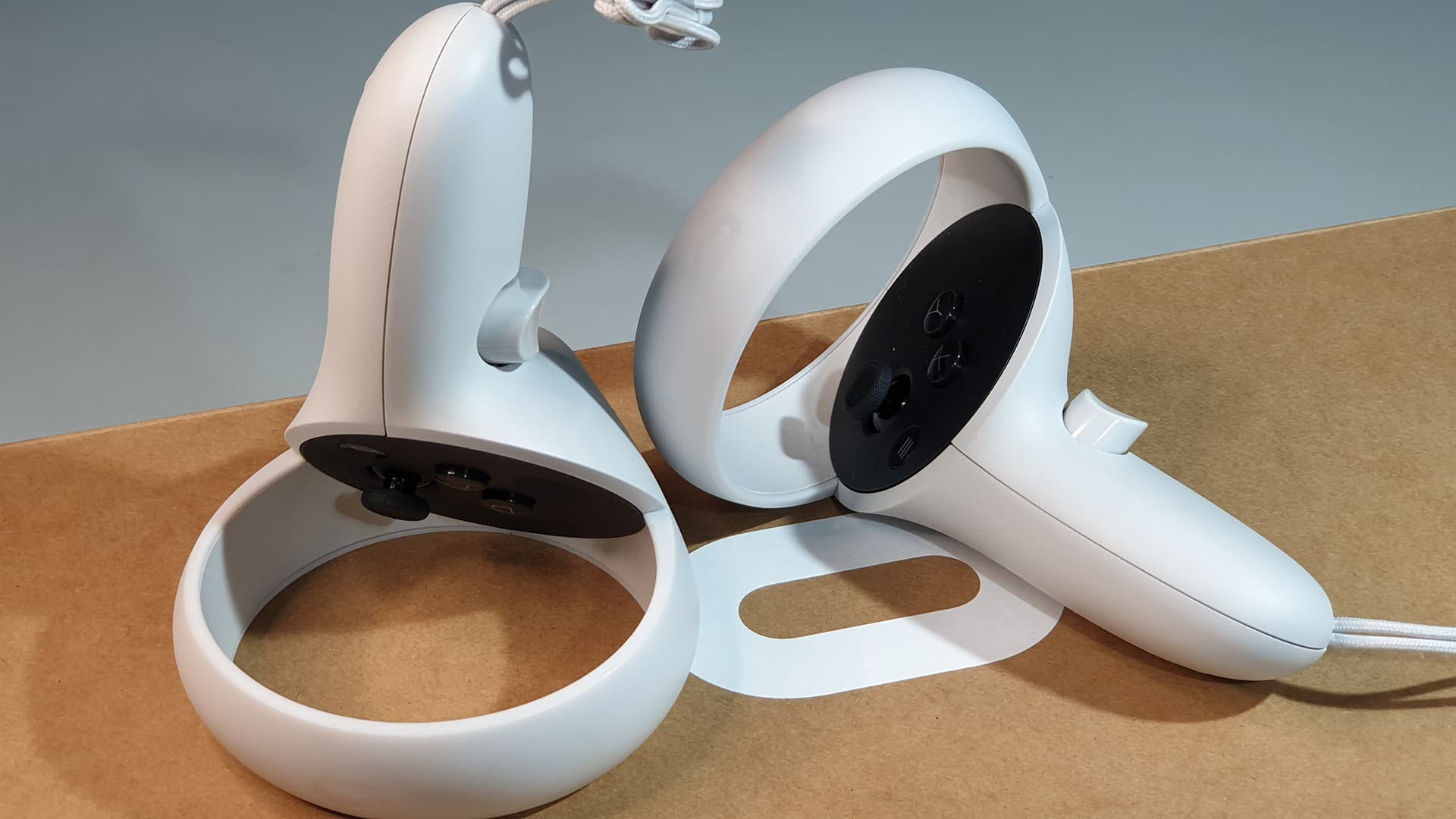
Deciding between standalone VR and tethered PCVR headsets can be daunting for South African organizations. The Quest 2 bridges this divide by delivering a portable wire-free headset that can seamlessly transition into a workstation-grade PCVR display whenever required.
Watch our hands-on video review highlighting headset unboxing, setup walkthrough, guardian boundary configuration, and graphic performance.
Get in touch with our Johannesburg team to explore custom Virtual Reality, Augmented Reality, 360° video filming, and software solutions.