
Loading...
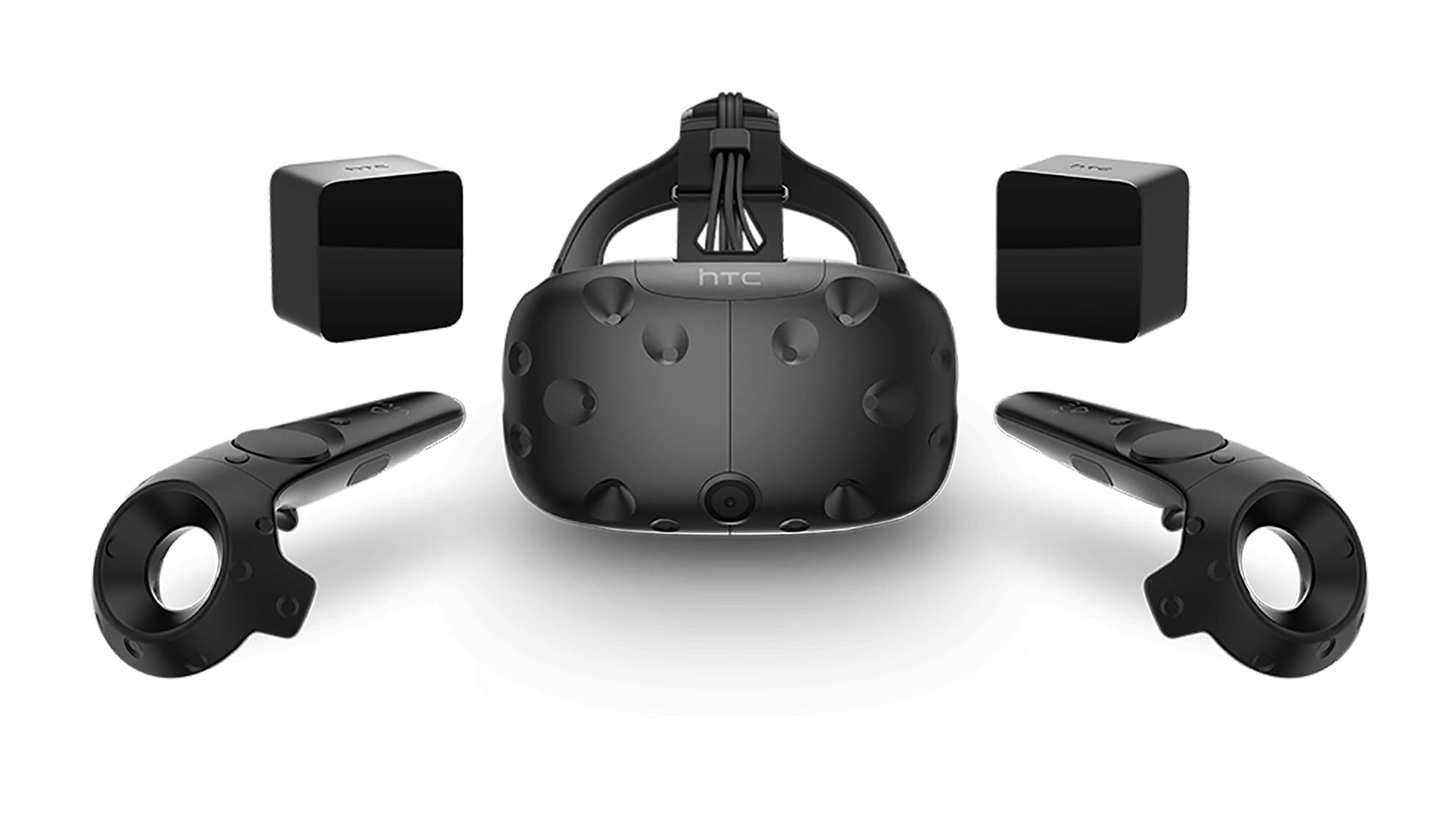
Explore the revolutionary pioneer of room-scale virtual reality. Powered by Valve Lighthouse laser tracking, the HTC VIVE delivers sub-millimeter positional fidelity for engineering simulations, architectural walkthroughs, and turnkey corporate activations across South Africa.
Co-developed by HTC and Valve Corporation, the VIVE established the benchmark for high-fidelity interactive virtual reality through uncompressed room-scale telemetry.
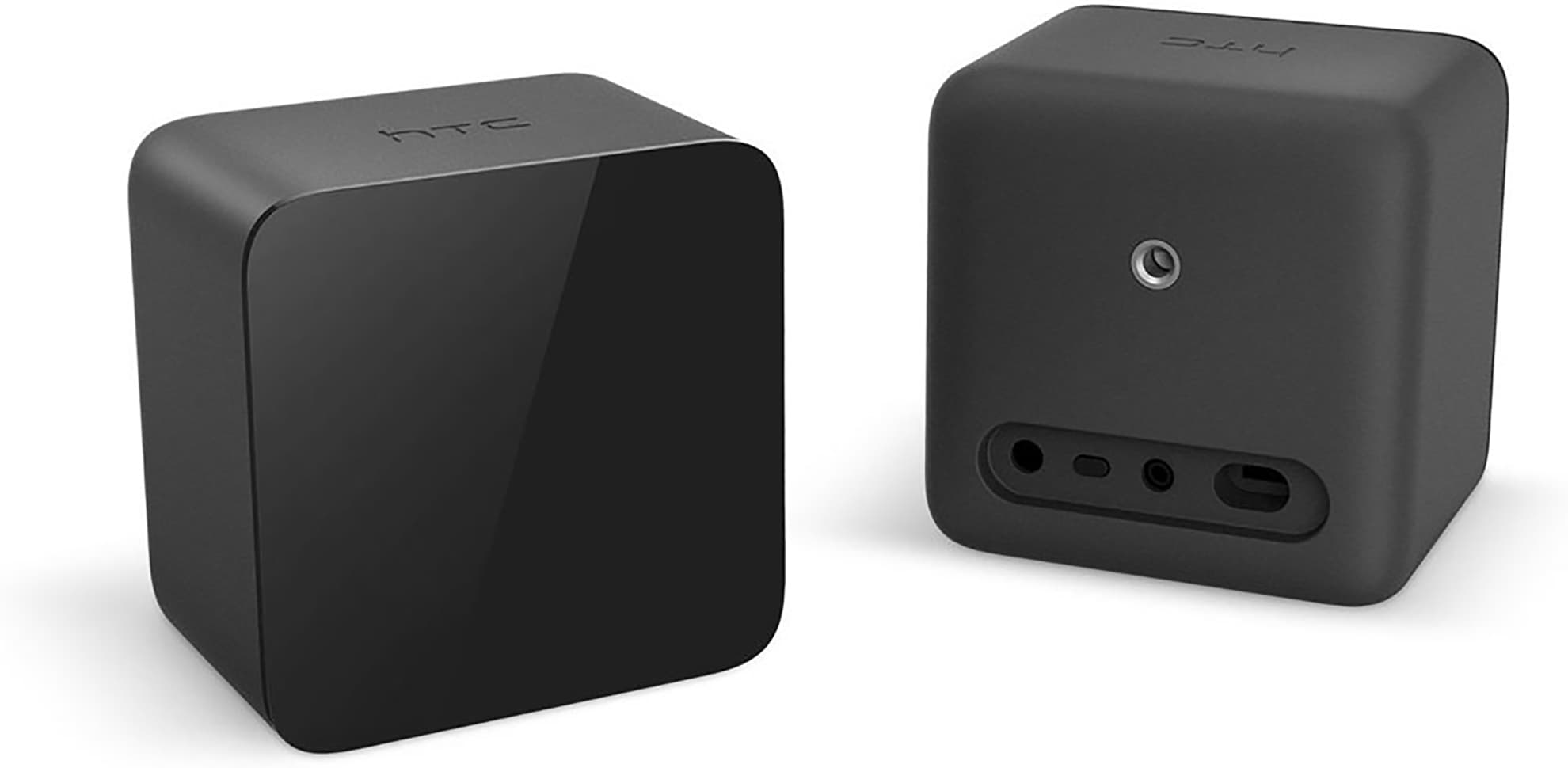
Base stations synchronize wirelessly or via sync cable, providing complete coverage with zero dead angles or controller blind spots.
Hardware dial adjusts physical lens spacing between 60.8mm and 74.6mm, accommodating custom eyeglass frames and wide pupillary distances.
Unlike camera-based optical tracking that suffers from latency and visual occlusion, HTC VIVE uses dual external Lighthouse base stations emitting non-visible timed infrared laser pulses. 32 photosensors on the headset detect these sweeps to triangulate spatial positioning with sub-millimeter accuracy and zero perceptible drift.
Engineered with two independent 1080 × 1200 resolution panels (one dedicated to each eye). The low-persistence AMOLED technology refreshes at 90Hz (90 frames per second), eliminating motion blur and screen-door artifacts while preventing simulator sickness during prolonged immersion.
Spatial audio rendering provides 360-degree positional acoustic cues that accurately match visual elements in 3D space. Includes a 3.5mm auxiliary jack supporting high-impedance studio headphones, an integrated microphone, and low-latency audio transmission.
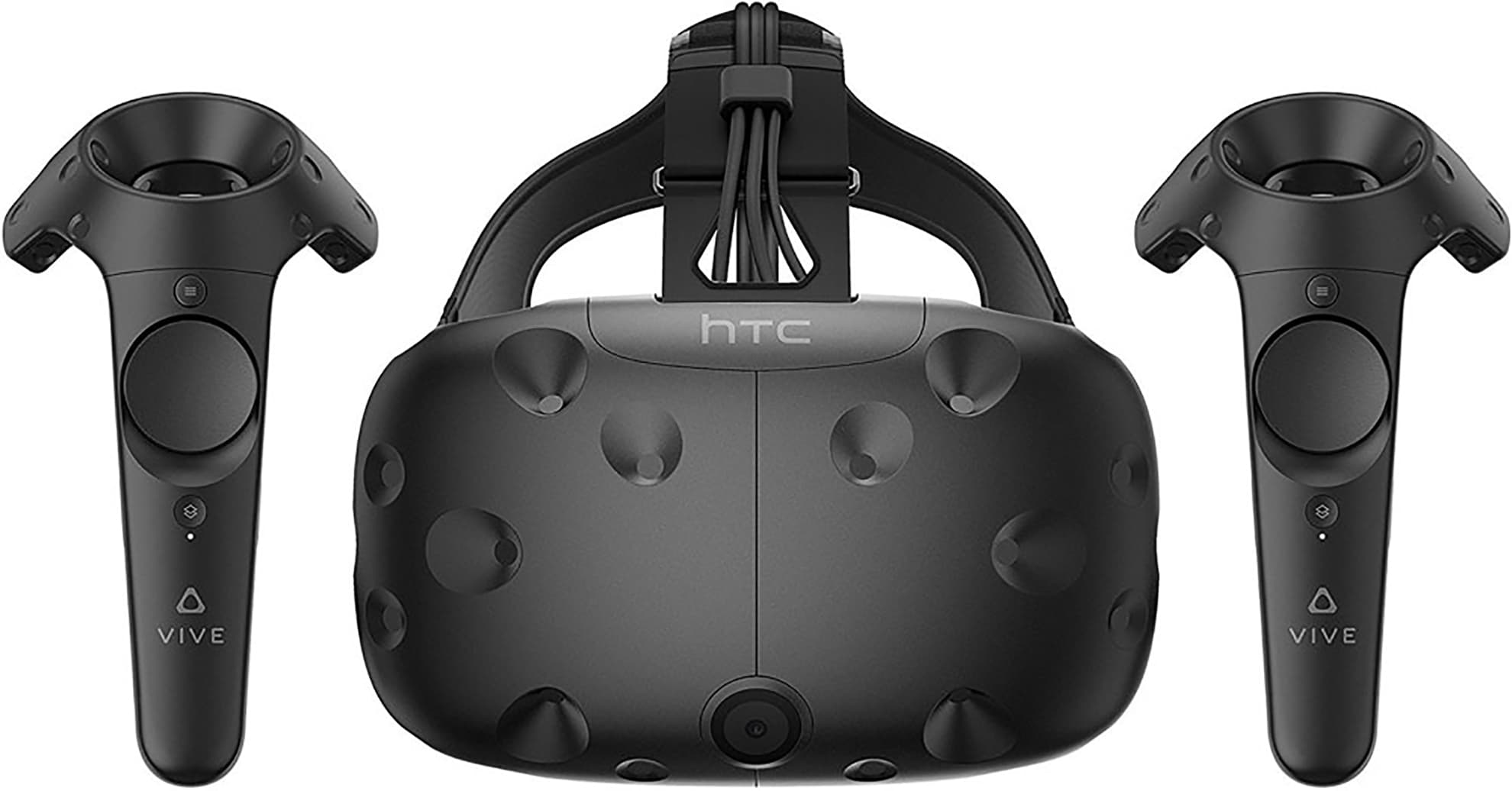
Custom-contoured dual-motion controllers equipped with 24 sensor nodes, multi-function haptic trackpads, dual-stage analog triggers, and ergonomic grip buttons. Haptic actuators deliver subtle physical feedback when manipulating virtual levers, tools, and objects.
Features a built-in front-facing camera and digital Chaperone guidance system. When the user approaches the physical boundary of their room-scale play space, a translucent grid overlays the virtual world, ensuring complete safety without removing the headset.
By harnessing dedicated high-performance desktop workstation GPUs (NVIDIA RTX / AMD Radeon), the VIVE renders ultra-complex 3D models, photorealistic textures, and physics simulations unconstrained by mobile mobile processor thermal throttling.
Understanding why industrial simulation engineers, academic researchers, and enterprise trainers choose Lighthouse PC-VR over mobile and optical alternatives.
When launched, the original Oculus Rift relied on desk-mounted optical cameras (“Constellation”) primarily tuned for seated gaming. In contrast, the HTC VIVE was built from inception for true 360-degree room-scale exploration. With dual wireless Lighthouse lasers mounted high on walls, users could walk across their physical room, crouch, and interact with objects without losing hand tracking.
Key Enterprise Takeaway:
The VIVE avoided running multiple high-bandwidth USB cables back to the host computer, making room setups significantly cleaner and immune to USB host controller bandwidth bottlenecks.
While Meta Quest headsets offer all-in-one standalone portability without external base stations, they rely on inside-out cameras with blind spots behind the player's back and mobile processors that require dramatic graphical compromises. For high-fidelity industrial CAD rendering, BIM models, and mission-critical simulation, the HTC VIVE leverages uncompressed workstation GPUs with sub-millimeter positional fidelity.
Key Enterprise Takeaway:
Corporate defense, healthcare, and mining clients frequently require local-only networks with zero mandatory consumer social media login or cloud telemetry.
| Technical Feature | HTC VIVE (SteamVR) | Oculus Rift (CV1) | Meta Quest (Standalone) |
|---|---|---|---|
| Tracking System | Lighthouse Laser Sweeps (Sub-mm, zero drift) | Constellation Optical USB Cameras | Inside-Out Computer Vision Cameras |
| Play Area / Room-Scale | Expansive Room-Scale (up to 5m × 5m out-of-the-box) | Primarily Seated / Standing (requires 3rd USB sensor) | Flexible Boundary (dependent on ambient light) |
| Graphics & Processing | Uncompressed High-End PC Workstation GPU | Uncompressed High-End PC GPU | Mobile SoC (Snapdragon) / Compressed USB Streaming |
| Data Privacy & Local Deployment | 100% Offline Local PC Execution (Enterprise-safe) | Oculus Account / Cloud Ecosystem | Mandatory Cloud Account & Telemetry Sync |
| Controller Occlusion | Near Zero (Swept from high opposing corners) | Moderate (Camera line-of-sight dependent) | Behind-head and hip occlusion blind spots |
| Full-Body & Object Tracking | Supported via SteamVR Vive Tracker Pucks | Not supported natively | Experimental AI estimation only |
From university research laboratories in Johannesburg and Cape Town to heavy industrial plant training centers, the HTC VIVE powers immersive workplace transformation.
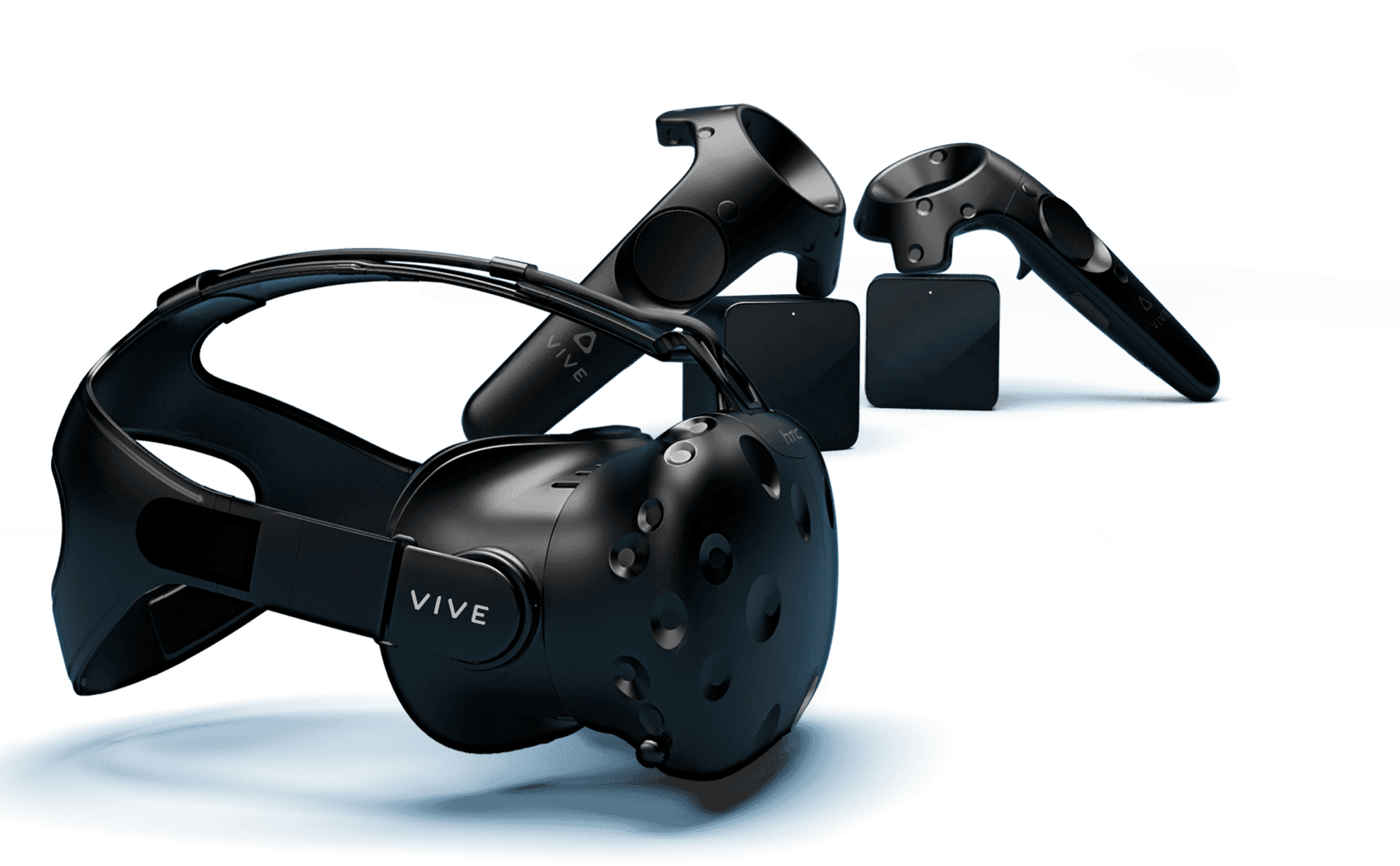
Room-scale tracking bridges human kinesiology with computer-generated environments. When users walk forward in the physical room, their virtual avatar moves in exact 1:1 synchronization. This natural vestibular alignment eliminates visual-vestibular conflict, allowing trainees to focus entirely on learning complex task procedures.
Transform Revit, Archicad, and SketchUp models into 1:1 scale room-scale walk-throughs. Property developers and architects walk clients through virtual buildings before foundation pouring, verifying spatial proportions, line-of-sight, and luxury finishes.
Train operators in South Africa's high-hazard industrial, manufacturing, and underground mining environments. Technicians practice electrical switchgear lockout-tagout procedures and heavy equipment handling with zero physical danger.
Provide experiential learning that increases knowledge retention by up to 80% compared to traditional classroom lectures. Learners manipulate complex mechanical assemblies, conduct forensic investigations, and rehearse emergency crisis drills.
Medical institutions and university faculties use the VIVE for anatomical visualization and procedural training. High-resolution stereoscopic immersion provides spatial clarity for intricate clinical rehearsals.
Draw massive crowds to trade exhibition booths and automotive showrooms. The VIVE delivers thrilling interactive experiences—from virtual flight simulators to motorsport hot-laps—that command audience attention.
Unlike consumer headsets with locked-in hardware, the SteamVR Lighthouse architecture is modular by design. Augment your deployment with wireless links, physical prop trackers, and multi-sensor tracking arenas.
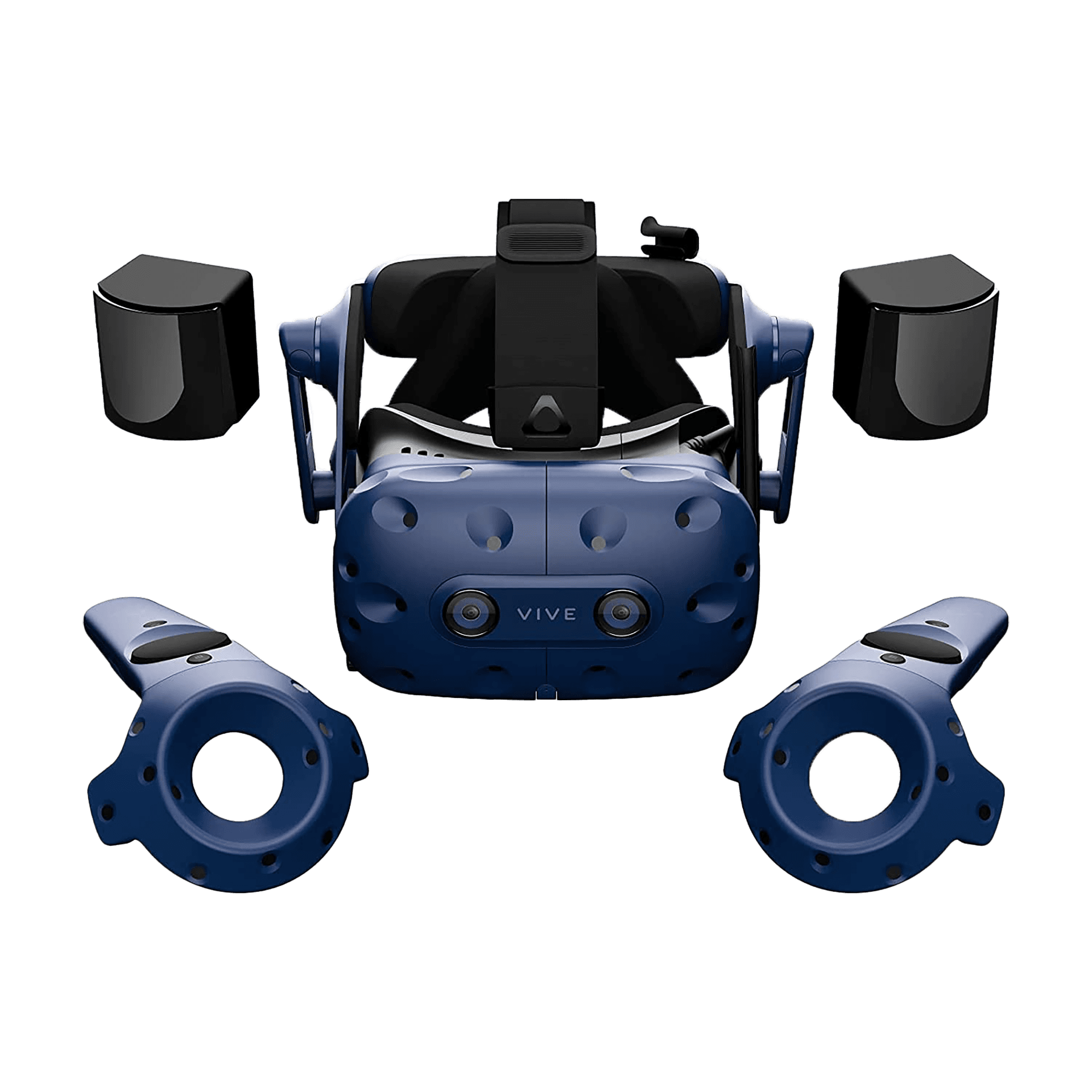
Building upon the foundation of the original VIVE, the VIVE Pro generation brings commercial-grade visual clarity and ergonomics to demanding enterprise training, architecture studios, and research faculties.
Drastically minimizes screen-door effect, delivering the fine visual acuity needed for reading virtual gauges and engineering CAD schematics.
Built-in headphones with digital dual microphones and active noise reduction for crystal-clear team communication in noisy simulation rooms.
Re-engineered weight distribution shifts pressure off the nasal bridge to the cranial strap, allowing comfortable multi-hour training shifts.
Configure your simulation facility with specialized hardware accessories tailored to your operational workflows.
Powered by 60GHz RF technology, the wireless adapter frees trainees from tethered PC cables while preserving 90 FPS rendering throughput with imperceptible latency.
Screw sub-millimeter tracking pucks onto physical props—fire extinguishers, power tools, or medical instruments—or strap to limbs for full-body kinematic tracking.
Synchronize up to four Base Station 2.0 sensors to expand the active simulation volume to a 10m × 10m (100m²) arena supporting multiple concurrent trainees.
The open SteamVR Lighthouse standard ensures backward and forward compatibility. Base stations and controllers pair across generations, protecting your hardware investment.
From single-headset executive demos to comprehensive enterprise simulation suites, VR360 provides end-to-end hardware, software, and on-site event deployment across South Africa.
We assist corporate clients, universities, and industrial training centers in selecting certified VR headsets, compatible high-spec PC workstations (NVIDIA RTX GPUs), and mounting hardware tailored to their physical room dimensions.
Turnkey VR equipment rental for corporate events, expos, and product launches across South Africa. Includes high-end VR workstations, large mirrored spectator display screens, safety stanchions, and professional on-site operators.
Our software engineering team builds custom Unreal Engine and Unity virtual reality applications—from interactive architectural walk-throughs to hazardous mine safety and technical equipment simulators.
Professional installation of Lighthouse tracking stations, vibration-dampened wall brackets, ceiling cable retractor systems, and optical calibration for seamless 360-degree tracking with zero occlusion.
Essential information regarding PC requirements, physical space setup, and corporate consulting in South Africa.
The recommended minimum specifications are an Intel Core i5-4590 or AMD FX 8350 processor, NVIDIA GeForce GTX 1060 / AMD Radeon RX 480 (or modern RTX 3060/4060 series) graphics card, 8 GB+ RAM, HDMI 1.4 or DisplayPort 1.2 video output, and 1× USB 2.0/3.0 port running Windows 10 or 11.
The HTC VIVE supports both standing/seated setups (zero additional floor space required) and full room-scale experiences. For room-scale VR, the recommended minimum tracked play area is 2m × 1.5m (approx. 6.5ft × 5ft), supporting up to 5m × 5m with standard Lighthouse 1.0 base stations.
Standalone headsets like Meta Quest feature built-in mobile processors and inside-out optical cameras for easy consumer travel. In contrast, the HTC VIVE is a dedicated PC-VR system that harnesses the full graphical compute power of desktop workstations for photorealistic simulation, zero camera blind-spots, and secure local on-premise data governance.
Yes. VR360 provides turnkey corporate event rentals across Gauteng, Western Cape, and KwaZulu-Natal. We provide high-performance VR workstation PCs, HTC Vive headsets, large external viewing screens for audiences, and experienced technical facilitators to manage crowd flow.
Absolutely. The VIVE integrates seamlessly with industry-standard development engines like Unreal Engine and Unity via SteamVR and OpenXR. VR360 develops bespoke corporate simulations, hazard awareness scenarios, and architectural walkthroughs tailored to your company's procedures.
SteamVR 1.0 base stations support up to 2 units per room (maximum 5m × 5m tracking area). SteamVR 2.0 base stations use modulated laser beams that allow up to 4 base stations in a single space, expanding the tracking area up to 10m × 10m for larger enterprise training arenas and multi-user collaborative setups.
Get in touch with our Johannesburg team to explore custom Virtual Reality, Augmented Reality, 360° video filming, and software solutions.