
Loading...
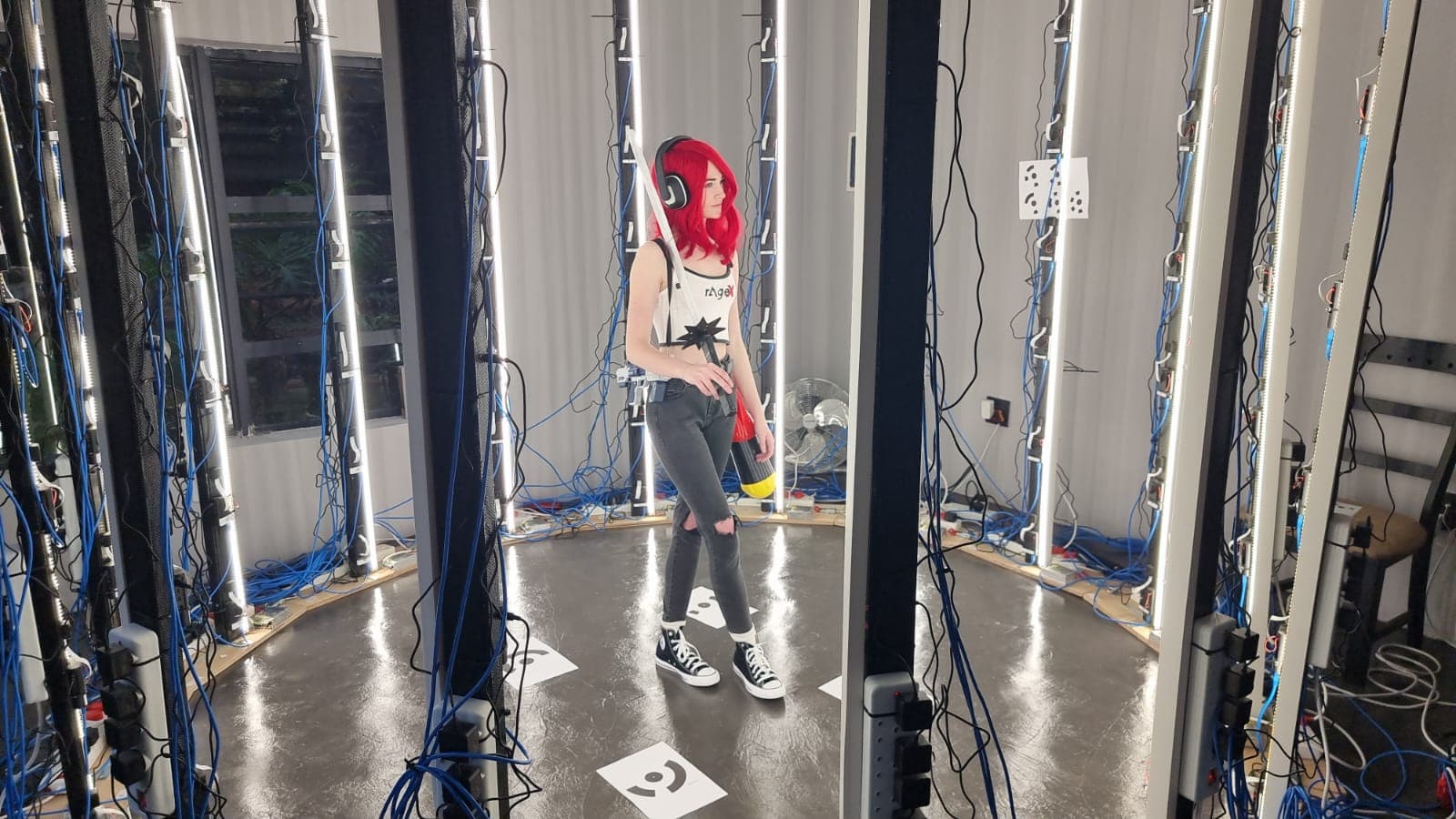
The 3D Scanner is a revolutionary new device that uses advanced photogrammetry technology to create incredibly realistic 3D avatars of people. Using a network of 100 Raspberry Pi cameras, the scanner captures 100 images of a person from different angles, which are then stitched together to create a highly detailed and lifelike 3D model.
The 3D human scanner isn’t just any ordinary device – it was created by our VR360 team of innovative and forward-thinking individuals right here in South Africa. That’s right – this possibly one-of-a-kind device was developed right on our own continent, and we couldn’t be more proud. The 3D human scanner is an exciting development for the world of virtual and augmented reality. By using ultra-realistic avatars, users can feel like they are really interacting with other people in a virtual space. It also has the potential to revolutionize the way we play games and experience entertainment.
100 cameras trigger instantaneously to freeze real-life facial expressions and body posture.
Captures nuances that traditional manual 3D modeling could easily miss or overlook.
Built and engineered by our passionate VR360 specialists right here on the continent.
As mentioned before, it uses photogrammetry to create highly detailed 3D models of people. But what is photogrammetry, you might ask? Simply put, it’s the process of creating measurements and 3D models from two-dimensional photographs. By taking a series of images from different angles, photogrammetry software is able to “stitch” them together to create a 3D model of the subject.
One of the key advantages of photogrammetry is that it allows us to create 3D models with a level of detail and accuracy that is simply not possible with traditional 3D modeling techniques. This is because the software is able to extract a wealth of information from the images, including subtle details and nuances that might be overlooked by a human modeler.
To use the 3D human scanner, a person stands inside the scanner and is photographed from all angles by the network of 100 Raspberry Pi cameras. These 100 images capture every subtle nuance of facial expressions, posture, and natural movement simultaneously.
Photogrammetry is the process of creating measurements and 3D models from two-dimensional photographs. By taking a series of images from different angles, photogrammetry software 'stitches' them together. Unlike traditional 3D modeling, this captures fine textures and details that a human modeler might easily overlook.
Once the 3D model has been created using photogrammetry, it can be exported to 3D software like AutoCAD, 3D Maya, or Blender for further optimization. This usually involves cleaning up the model and smoothing out any rough edges or inconsistencies to prepare for animation.
Rigging sets up a digital skeleton and controls so the avatar can be naturally animated. For example, the avatar's hands and mouth are rigged to move and express themselves in a realistic way, simulating the real person's expressions before deploying into Oculus Quest or HTC Vive.
Rather than simply seeing avatars that are generic or cartoonish, we can now see each other as we really are, complete with all of the subtle nuances of our expressions and movements.
For example, the avatar’s hands and mouth can be rigged to move and express themselves in a realistic way, simulating the movements and expressions of the real person. This level of realism is essential for creating a truly immersive virtual reality experience, as it allows users to feel like they are truly interacting with another person in a virtual space.
Simulating realistic conversation, gestures, and natural hand expressions.
Exported for seamless real-time rendering in today’s leading VR headsets.
Compatible with Blender, 3D Maya, AutoCAD, Unity, and Unreal Engine.
This 3D model can be used in a variety of ways, such as creating ultra-realistic avatars for use in virtual reality, games, or augmented reality experiences. It can also be used for educational or training purposes, or even in healthcare to practice surgeries or other procedures on a 3D model before performing them on a real patient.
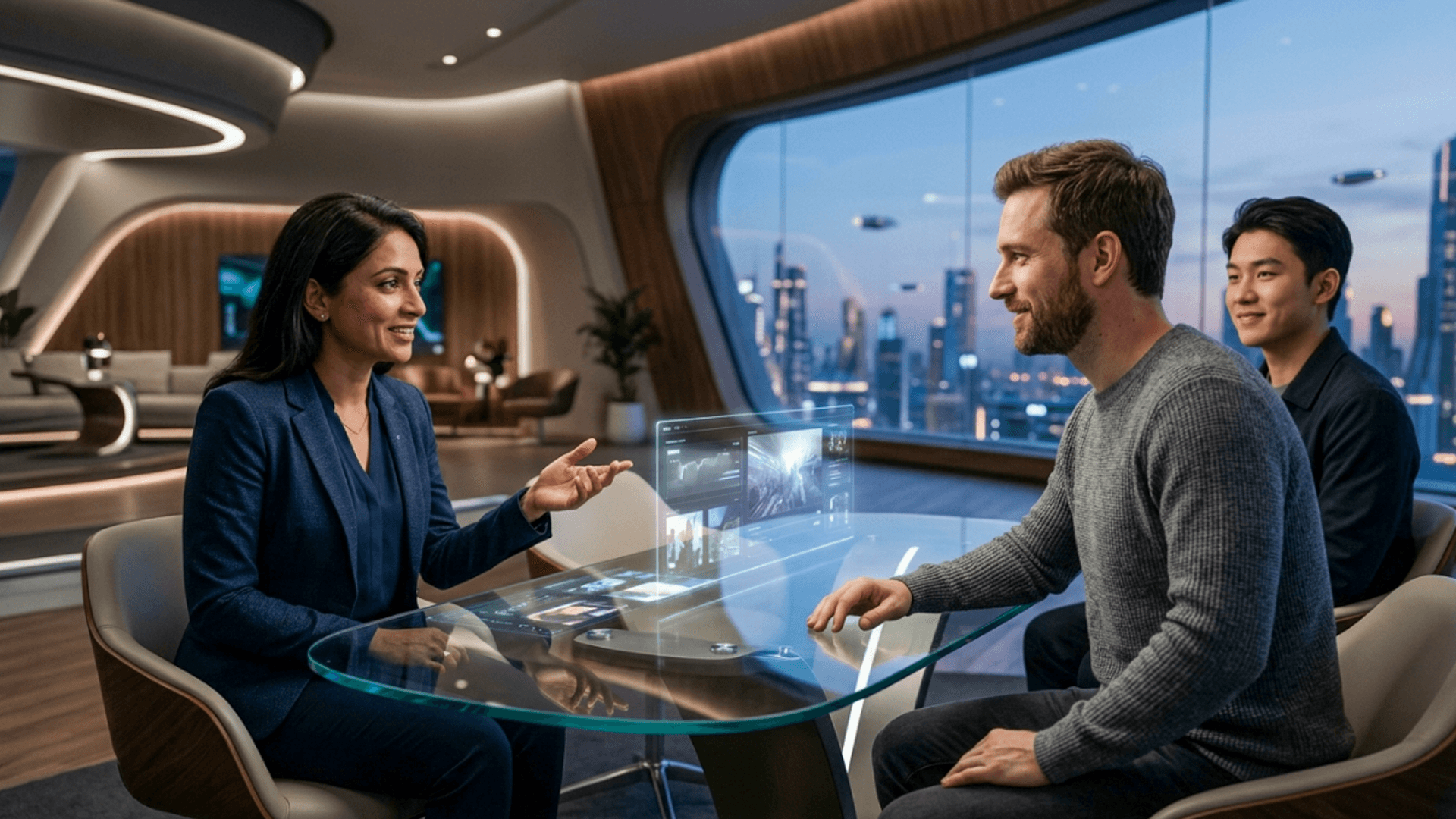
This level of realism could revolutionize how we interact in virtual reality. Rather than seeing generic or cartoonish avatars, we can now see each other as we really are, with the subtle nuances of our expressions and movements.
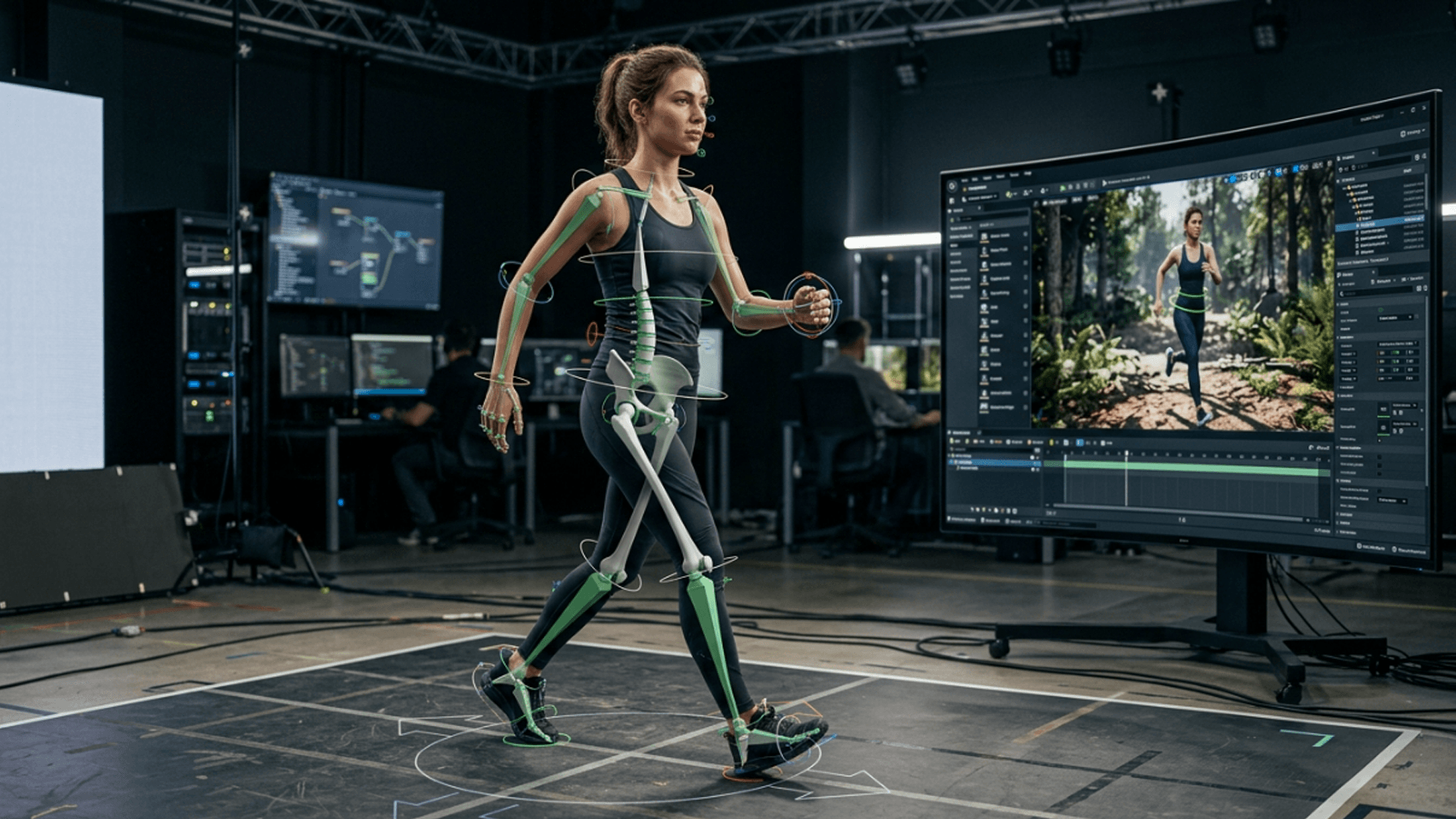
Exported models can be fully rigged and animated for game engines like Unity and Unreal Engine. Characters retain natural proportions, real facial features, and lifelike physical movement.
Create ultra-realistic avatars for use in virtual reality and augmented reality. Users feel like they are truly interacting with real people in a shared digital space rather than generic, cartoonish representations.
Revolutionize the way we play games and experience entertainment. Capture your exact likeness or that of actors and athletes, and integrate them directly into playable video game characters with lifelike movement.
In healthcare, practice surgeries or other delicate procedures on a precise 3D model before performing them on a real patient, dramatically improving surgical confidence and clinical outcomes.
Deploy realistic human avatars for educational institutions and corporate training modules where human interaction, facial expressions, and body language are central to the learning experience.
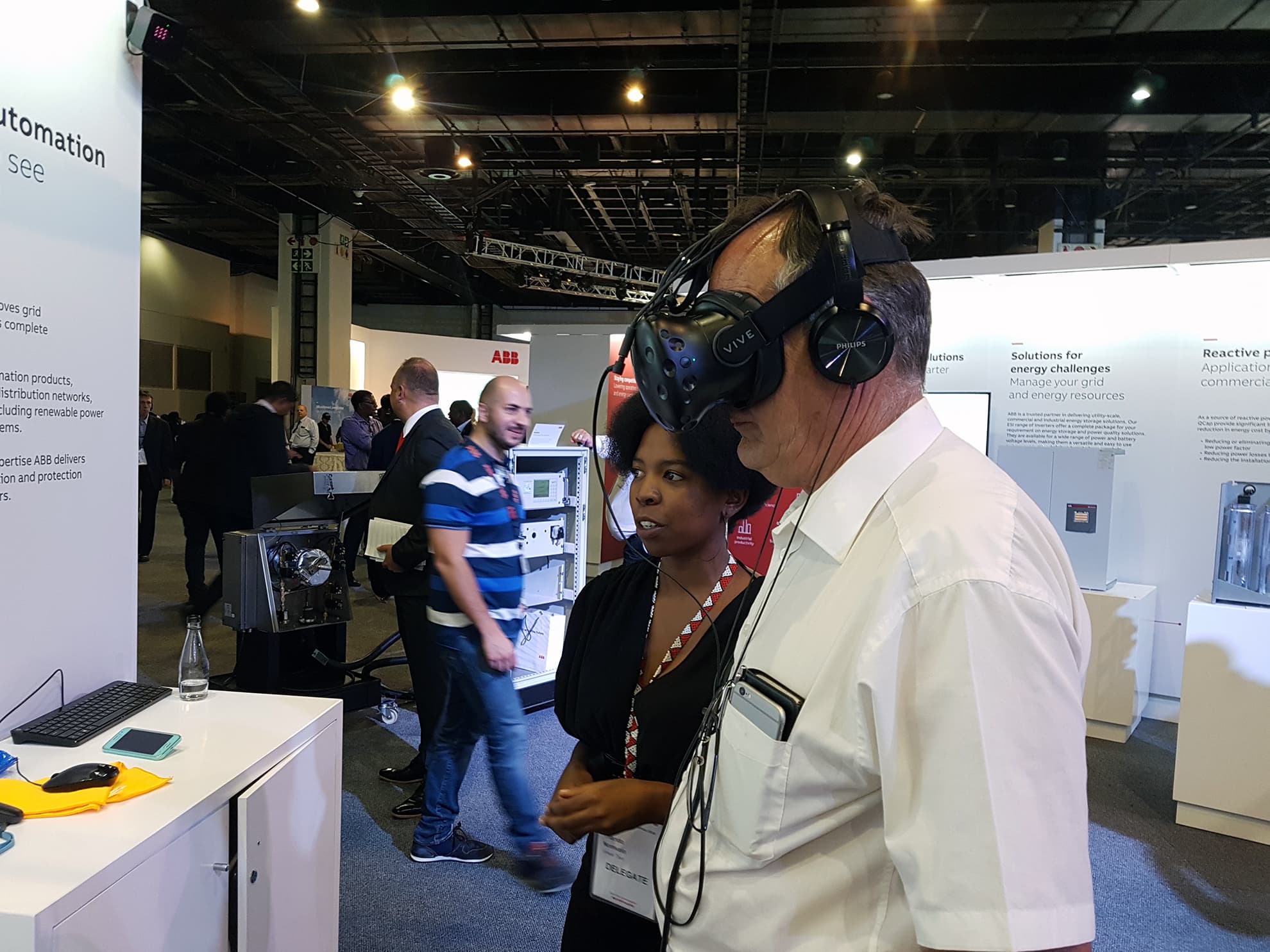
Get in touch with our Johannesburg team to explore custom Virtual Reality, Augmented Reality, 360° video filming, and software solutions.